
A Decade with the RSC: A Conversation with Fiona Ingram

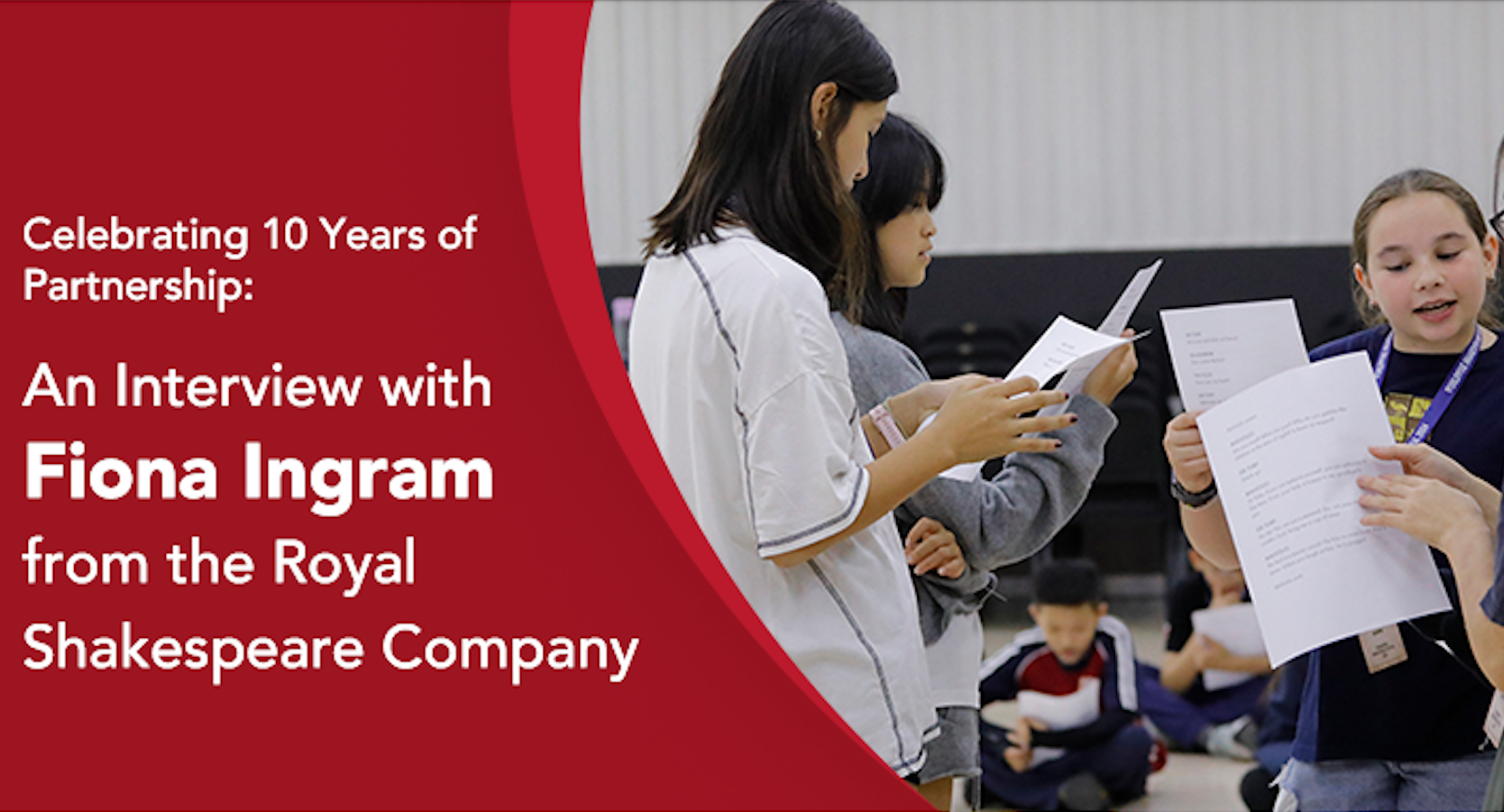
Dulwich College International and the Royal Shakespeare Company (RSC) are celebrating a decade of creative partnership. Over the past ten years, this collaboration has brought the transformative power of Shakespeare's works to students and teachers across our schools — inspiring creativity, confidence, and a deep appreciation for the performing arts. To mark this special milestone, we are honoured to speak with Fiona Ingram, Head of Learning at the RSC, as we reflect on the journey so far, revisit the art and magic of performance, and look ahead to what the next decade may bring for this meaningful partnership.

Fiona Ingram
Head of Learning at the RSC
Fiona:
It's been a true collaboration between the two organisations. At the beginning of the partnership, the RSC team were closely involved in responding to what the students, teachers, and schools needed from a learning programme, and over time it feels like the schools have really made it their own; it feels like there's a real change in how the schools work together to understand Shakespeare. It's also so exciting that we now have more schools coming on board and are looking at different pathways to evolve the partnership. It's been a positive journey together, not only through our strong collaboration but also through actively responding to the needs of the students, the teachers, and the learning practitioners that we're sending out to the schools.
I think some of the standout moments for me have been, especially, during the Covid periods, when we had to deliver all our work online. We saw the students create such brilliant work, which was filmed with them talking directly to the camera, which I thought was extraordinary. I also think it's been great to see the personal journeys of the teachers who have participated in the CPD programme and how far they've come with their confidence in teaching Shakespeare.
Fiona:
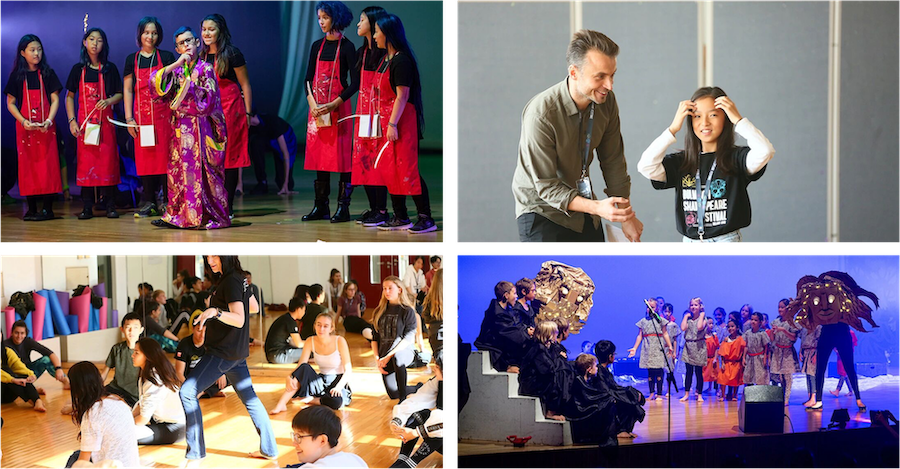
Our learning practitioners can see real development with students year on year. Some of them are quite unsure about Shakespeare to start with, and then gradually we see them as they begin to develop their understanding of the work, which is great. It's also important that we are led through themes from the DCI schools when approaching the work and we try to link back to what themes and topics might be driving the schools at that time. It's about having a curated programme around themes that resonate with students, which makes for interesting responses to the material.
Fiona:
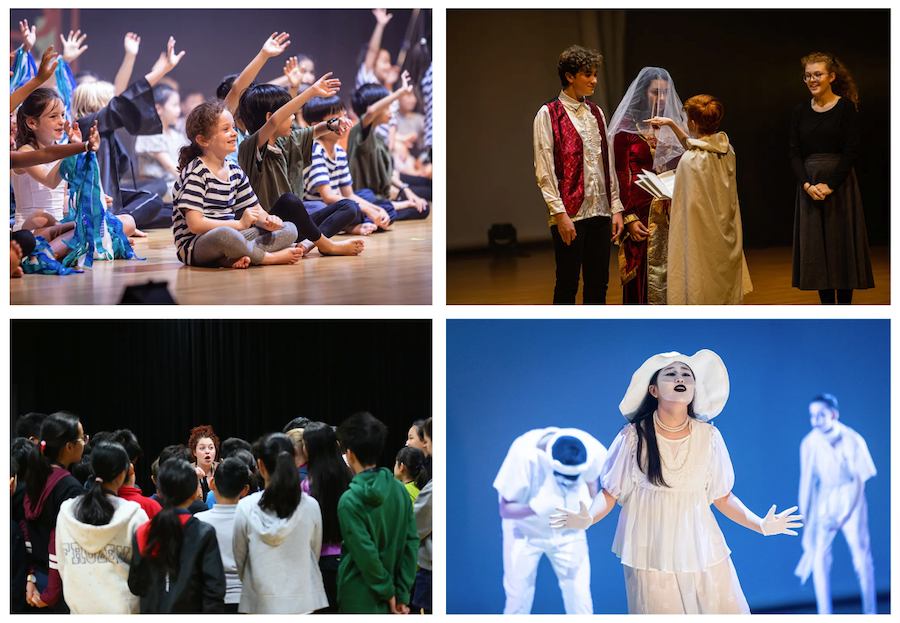
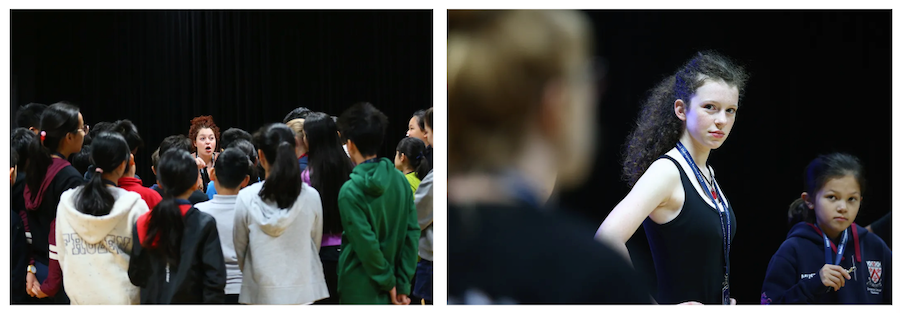
The students' appreciation for drama and literature can definitely be seen through their development in confidence. Students taking part in our programmes at the DCI schools can find their voices and communicate ideas, both in terms of writing and speaking, and that translates to the work that they produce with activities like the Shakespeare Festival. Our learning practitioners can see a real sense of ownership of Shakespeare's language in the schools amongst students and teachers, and the Shakespeare Festival is a brilliant opportunity to showcase the joy that brings.
Fiona:
If we didn't believe in Shakespeare's relevancy today, then the RSC would not exist. We are still performing his work 400 years later because we believe that Shakespeare's writing can be a vital tool to enable students to develop key critical thinking skills and to be able to think about what his works mean when exploring the language in his plays and character choices.
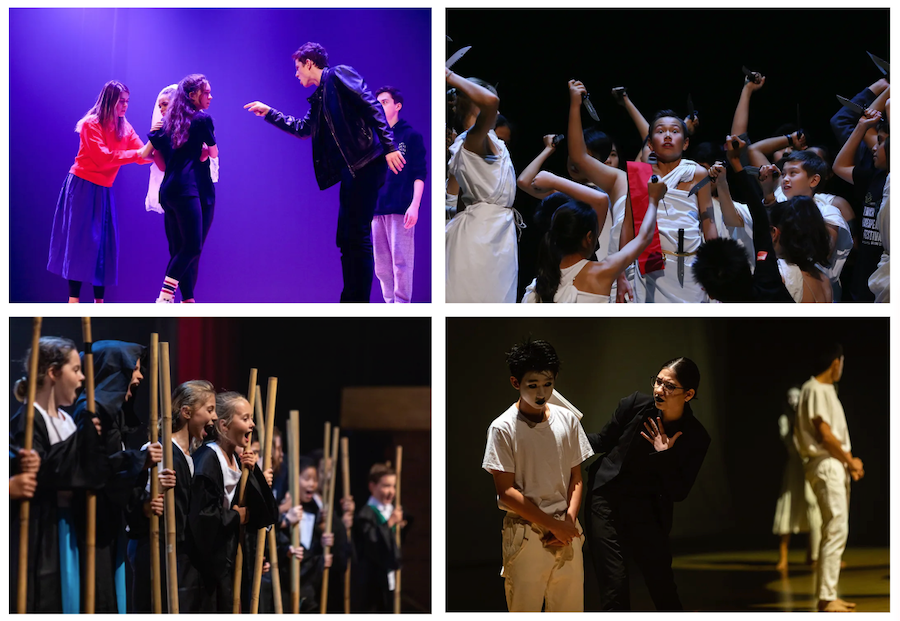
For example, what does it mean in Macbeth when your best friend agrees to do something with you and then betrays you? What does it mean when you see things that happen on stage which might be about political overthrows? If we explore Richard III and Julius Caesar for example, there are a lot of similarities with what's going on in our own world right now. The themes and the essence of Shakespeare run through our society, and it runs through humanity, so it becomes something that everybody can connect to. And when you give young people the chance to experience and talk about that, then we see growth, development, and a better understanding of themselves and the world they're in. So, Shakespeare enables us to have those important conversations.
Fiona:
We know that studying Shakespeare can be difficult for both students and teachers. But that's great in a way because when you feel that you've achieved a lot with Shakespeare and when you understand it, there is a sense of self-awareness, and your confidence goes up. A key approach at the RSC with our rehearsal room pedagogy is taking Shakespeare off the pedestal and we approach Shakespeare's work as if the ink is still wet on the page. So, we approach it as though the playwright has just written it, and we talk about what that could mean for us today. This makes the text open for complete reinterpretation, which makes it much more accessible and young people really enjoy that.
We aim to develop content with the DCI schools because they know their students best. We have to be flexible around their learning needs as that's where you'll achieve the best work. If we ensure that we meet them where they're at, it makes the work richer and allows us to work in different ways and adapt how we approach the content, like pivoting the programme online during the pandemic.
Fiona:
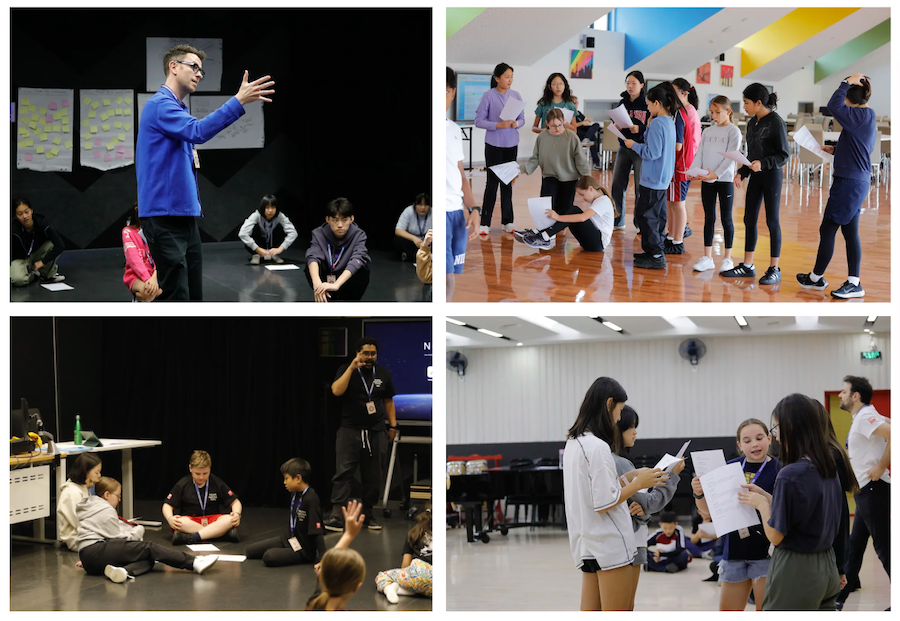
I think how the RSC approaches Shakespeare by looking at it through the lens of a contemporary world and reinterpretation is so important. We always look to ask the question 'why?' and 'why this play now?' This approach, combined with bringing the best directors and the best actors into a room, is essential for making Shakespeare fresh and exciting for students and teachers. We also bring the rehearsal room process and artistry to the work that we do with young people. So, when we work with young people as artists, we want them to make and create work, to perform work, as though they are actors in a rehearsal room. Young people have a much more positive response to Shakespeare when taught in this way, which far exceeds reading it as a novel. I hope that this approach has changed the ways that teachers are connecting Shakespeare with young people. We see a lot of teachers that say it's revolutionised their practice, by working in different ways and using different skills, and that's being shared across the schools.
Fiona:
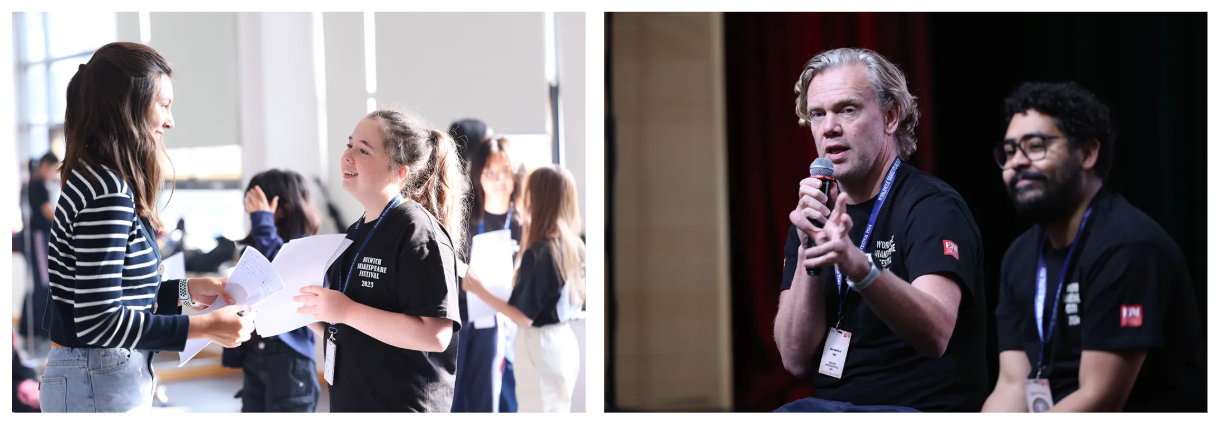
We work with English teachers who have little confidence in working with Shakespeare. When we first start working with those teachers, we have to ensure that we're making the material fun and engaging. Essentially, we approach them as though they are students, so that they can then respond to the text in a way that they understand what students are going through. This gives them more confidence in working with Shakespeare. Some of the early work that we deliver involves getting everybody to work together and then helping them to ask questions about the language and analyse the work and then ask what that work means to them. Over time, that increases teachers' confidence in their ability to approach Shakespeare with their students.
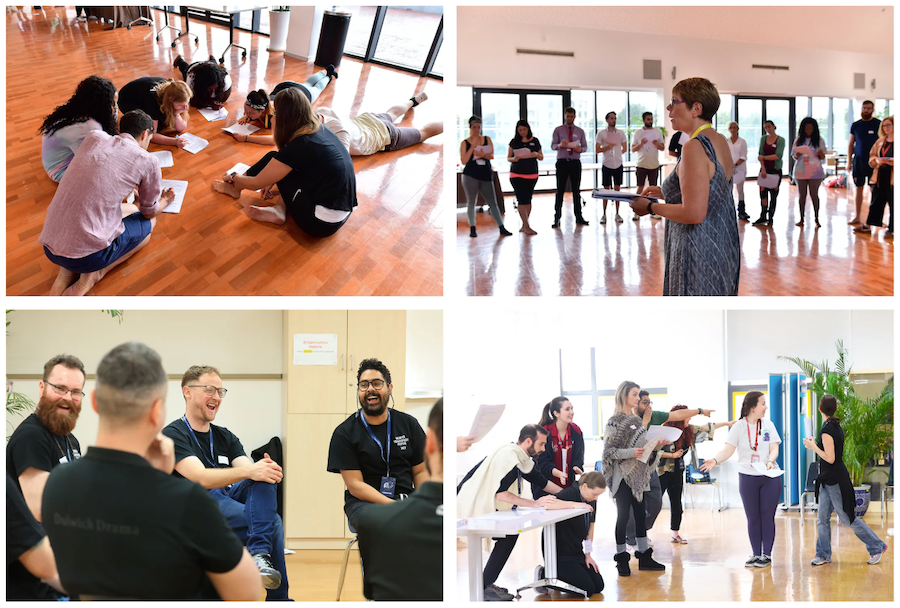
Fiona's reflections take us on a journey through the highlights of our decade-long partnership, offering not only cherished memories but also deep insights into the thoughtful planning and academic rigor that underpin every RSC learning experience. Her sharing reminds us of the care and creativity invested in ensuring our students benefit from the most relevant and pioneering approaches to performing arts education.
This milestone 10th anniversary will be celebrated at the 2025 Worldwise Shakespeare Festival, co-hosted by Dulwich College Suzhou and Dulwich International High School Programme Suzhou this October. Set in Suzhou—often called the "Venice of China"—the celebration will feature a large-scale public performance in Suzhou Broadcasting and Television Station Studio Hall this coming Saturday, where RSC practitioners will perform for Dulwich College International students for the very first time. As we mark this decade of friendship, we look forward to another inspiring chapter of learning, creativity, and collaboration on stage.