

Annika Tanner: Breaking Barriers in Tech with Microsoft



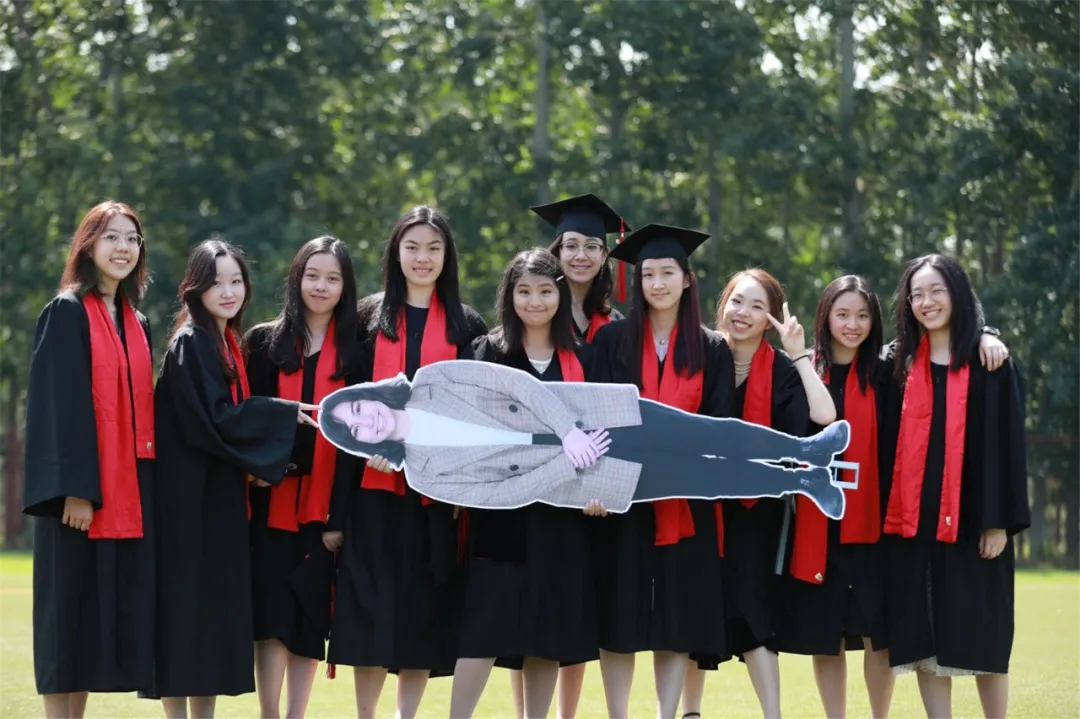
By the time Annika Tanner graduated from Dulwich College Beijing (DCB) in 2020, she was already making her mark in typically male-dominated spaces and championing causes she cared about. As the lone female of DCB’s after-school Dungeons and Dragons club, Annika thrived in strategising campaigns and collaborating with her peers to navigate challenging quests. Her passion for service shone in her volunteer work at Beijing’s Blue Sky Orphanage, and DCB’s service club, Interact. Additionally, she co-founded the Key Stage 3 Class Films club, Cinemaniacs, and later became the Health and Wellbeing Prefect, founding the Health and Wellness club and subsequently organising the first DCB-wide Global Mental Health Awareness Day. She was also the Senior Editor for the Media Team and a Key Stage 2 and 3 Links mentor – all while preparing for a course that seemed at odds with her extracurricular passions, and who knew nothing about how computers and even Bluetooth worked when she first decided to venture into the world of Computer Science.
Despite many conversations around the globe on gender equality in the tech industry, women are still underrepresented. In this article (https://www.weforum.org/agenda/2023/03/women-are-leaving-tech-roles-heres-how-we-can-support-them-to-improve-retention) by Vandana Singh, a Professor of Information Science at the University of Tennessee, she highlighted how women make up only 27% of the US tech workforce, with many leaving midcareer.
But Annika was never one to be boxed in and aims to put a dent in these statistics. Her curiosity and drive to excel continued as a Computer Science major at Tufts University, becoming a Data Structures Teaching Assistant in as early as the second semester of her freshman year which she continued until the end of senior year. She also served as Vice President of the Women in CS club, co-chaired the 2022 Women in Tech Conference and was a client manager for a student-run coding organisation that provided technological solutions for non-profits. From being a teaching assistant she was then promoted to Teaching Fellow and conducted research on speech-to-text systems in the Human Interaction Lab, further honing her technical skills.
So what does one need in one’s toolbox to enter the seemingly daunting world of tech, and how did Annika Tanner find the courage and the drive to stay on this path?
Annika Tanner: From DCB to Microsoft
Despite common misconceptions, Annika shared that Computer Science, literature, and many seemingly unrelated subjects are more interconnected than many realise. “CS was the perfect point to unify my interdisciplinary interests: linguistics through translating systems, ethics in technology’s moral issues, human behaviour in AI development and the broader implications of technology on society”
Starting her journey at DCB in the rigorous IGCSE programme, Annika seized every opportunity she felt drawn to. She ultimately pursued Computer Science, driven by an unrelenting curiosity and an insatiable drive to understand the inner workings of technology. “The fact that such an influential industry was beyond my grasp frustrated me, so I decided to do something about it.”
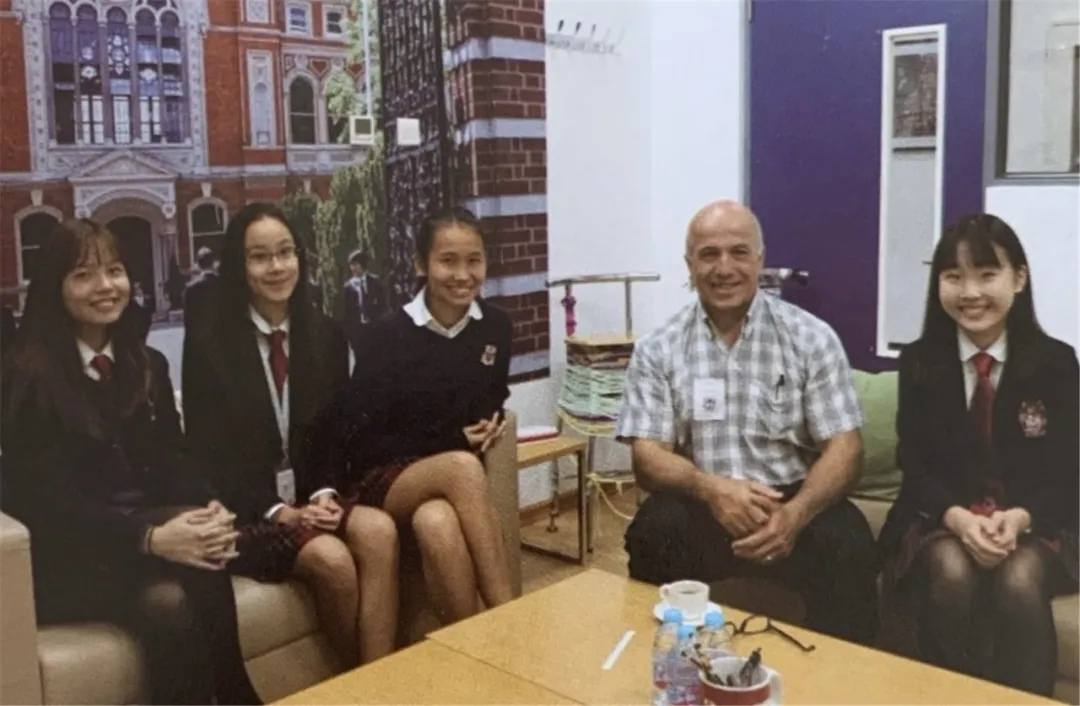
Annika credits her success to the support she received from her mentors, particularly Mr Yosef Karasik, her Computer Science teacher and the current Director of EdTech at DCB who not only recognised her potential but also helped her overcome the imposter syndrome that often plagues women in tech. “I wouldn’t be in tech without him. He met with me after school, in breaks and at lunch to further my learning in the subject and patiently dismantled the “I’m not fit for this field” mentality that I had unconsciously adopted. He showed me in his kind actions what it means to trudge through failure and emerge on the other end, proud and accomplished.”
Her experience in male-dominated spaces, such as the Dungeons and Dragons club, helped her gain the confidence to assert herself in tech, which she has her Physics teacher now Learning Technology Coach Mr Kaye to thank. “This comfortability would hold immense value for me as I navigated software engineering in college as one of the rarer female CS majors.”
Her experience at her alma mater helped her foster a deep appreciation for the balance between academics and extracurricular pursuits. “DCB did a great job of opening our educational experience to not just academics; we were encouraged to try out and be involved in other aspects, from sports and art to music and community service. This proactive curiosity in dipping my toes into a variety of activities is what made me take Friday morning meditation sessions, attend speaker series at Harvard, join the swim club and teach Chinese to peers every week at university.”
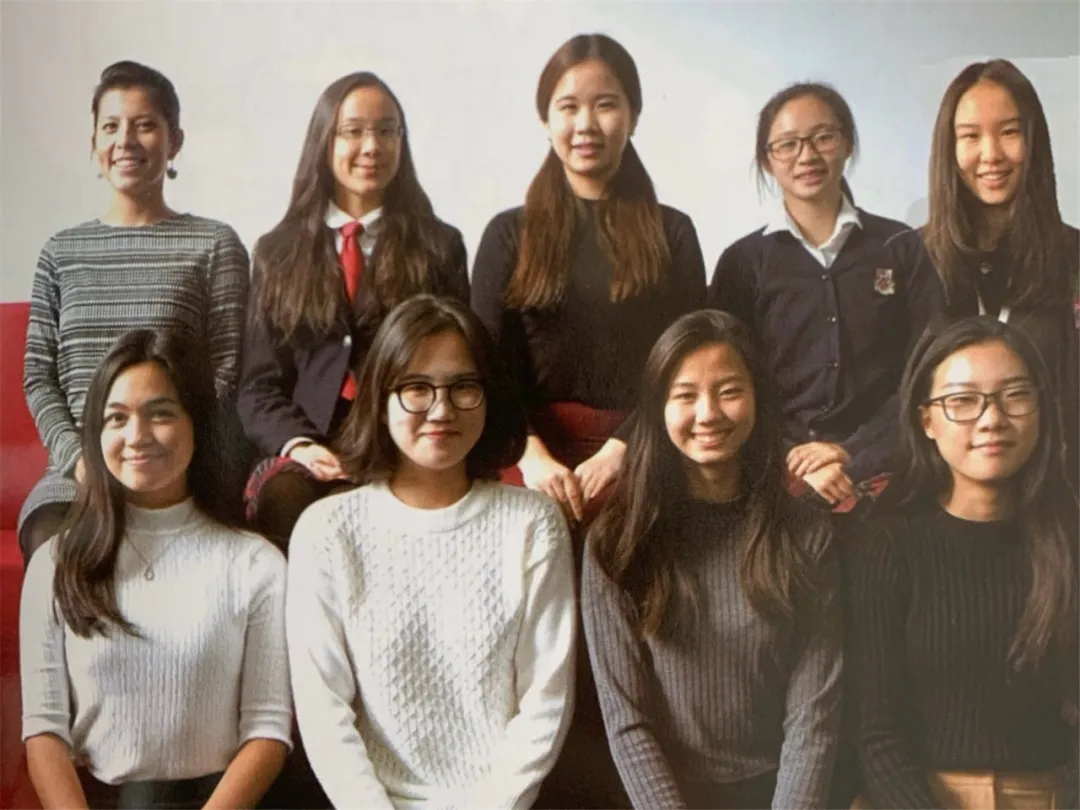
“On the flip side of that, DCB also taught me to find my equilibrium, which I still continue to do today. At DCB, I was given the independence to form my own choices between two equally important options - use the time to study or use the time for my hobbies; spend my weekend with family or spend my weekend volunteering; eat in the canteen with friends or be present at a new club; have literature as my IA topic or biology instead. In college, you’ll be given the same threads of tension in which you’ll be forced to make a choice. DCB helped form my own sense of internal balance, which I strongly encourage every student to find for themselves.”
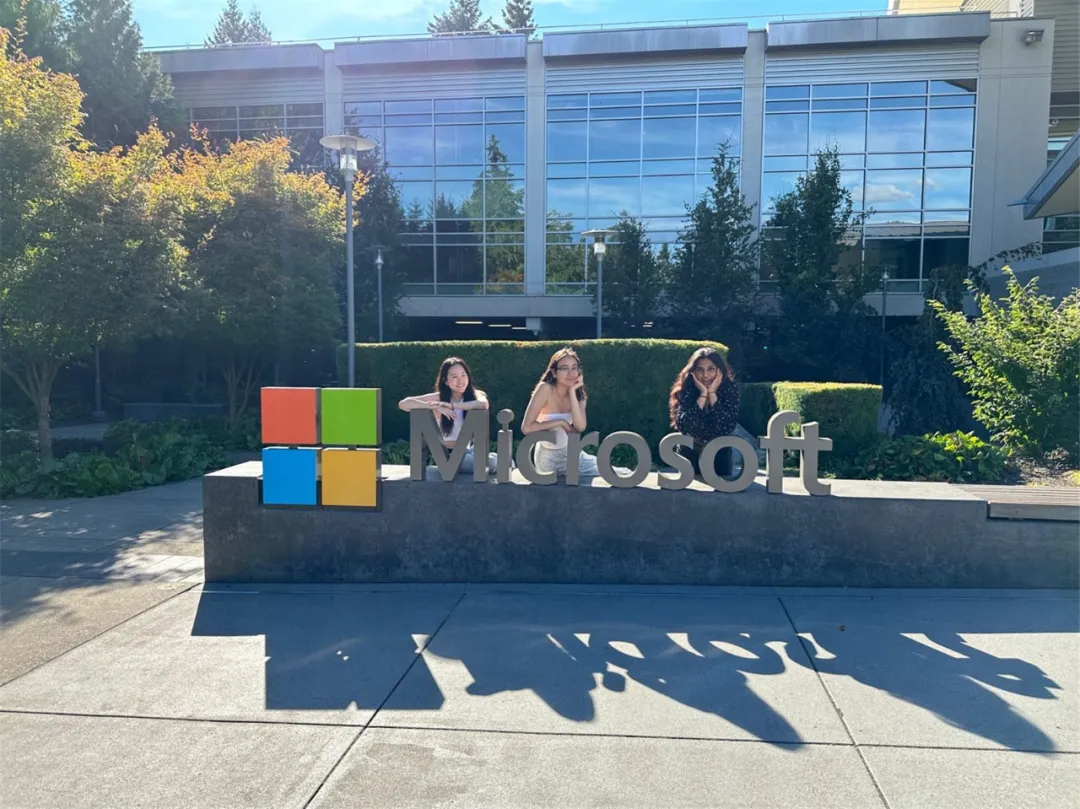
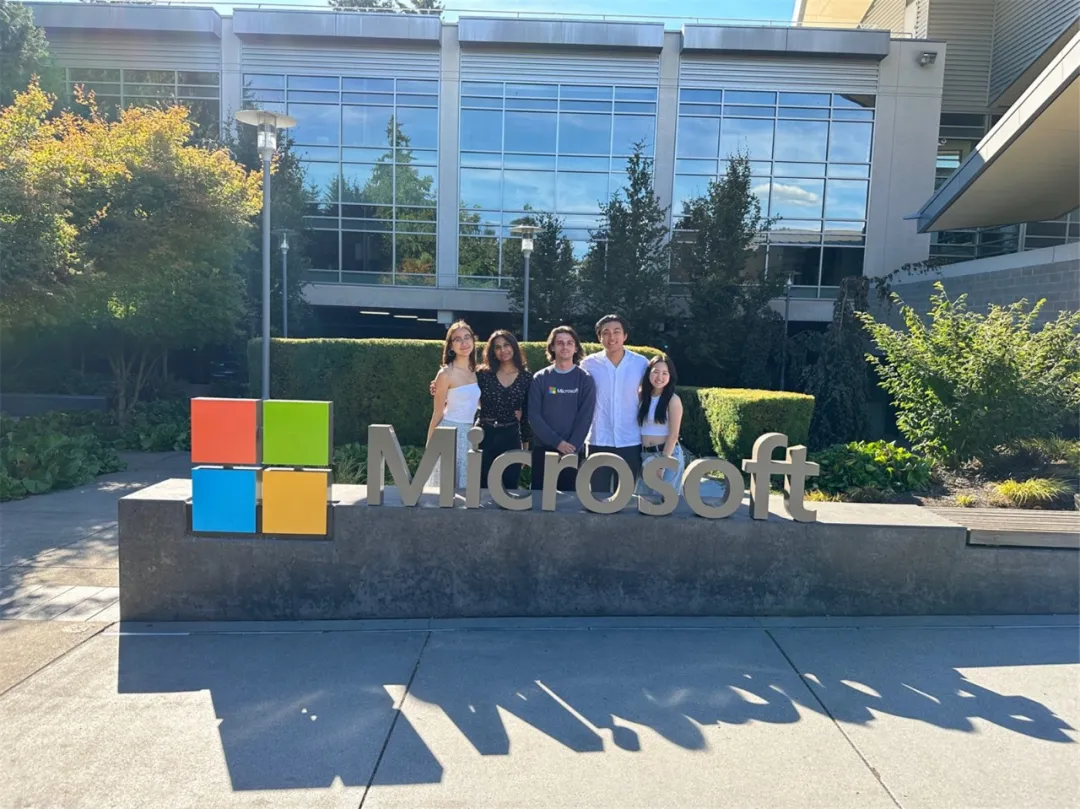
Annika’s passion for service and the multifaceted curriculum at DCB also helped her cultivate the interdisciplinary point of view that she applied to her work. “While interning at Microsoft, I didn’t only build AI products from a technological perspective. I considered the social and moral implications of my work, such as if the colours were distinguishable enough for our colour-blind consumers and if the animated instructions were clear enough for older audiences. I took our audience’s age of use into consideration, the ethics of applying translation tools on obscure languages and the implications of my product on human connection and productivity.”
Bringing Her Learning Over to Tufts and Microsoft
After navigating the rigorous IB programme, juggling an overwhelming number of things was practically second nature, enabling her to build off her practised abilities in scheduling and task-switching, something some of her peers struggled with.
Annika took on numerous leadership opportunities at Tufts, which eventually led to an internship at Microsoft, where she continued proactively taking on more leadership opportunities that allowed her to support women and mentor younger peers. “I helped form my department’s women organisation and held a Project/Product Management (PM) panel conference for all Microsoft interns interested in pursuing PM.” Her days as a Key Stage 2 and 3 Links mentor, where she had to teach concepts effectively to lackadaisical students in both Junior School and Years 7 to 9, enabled her to rely on unconventional strategies during her time as a Data Structures Teaching Assistant, where she was known for her engaging teaching methods.
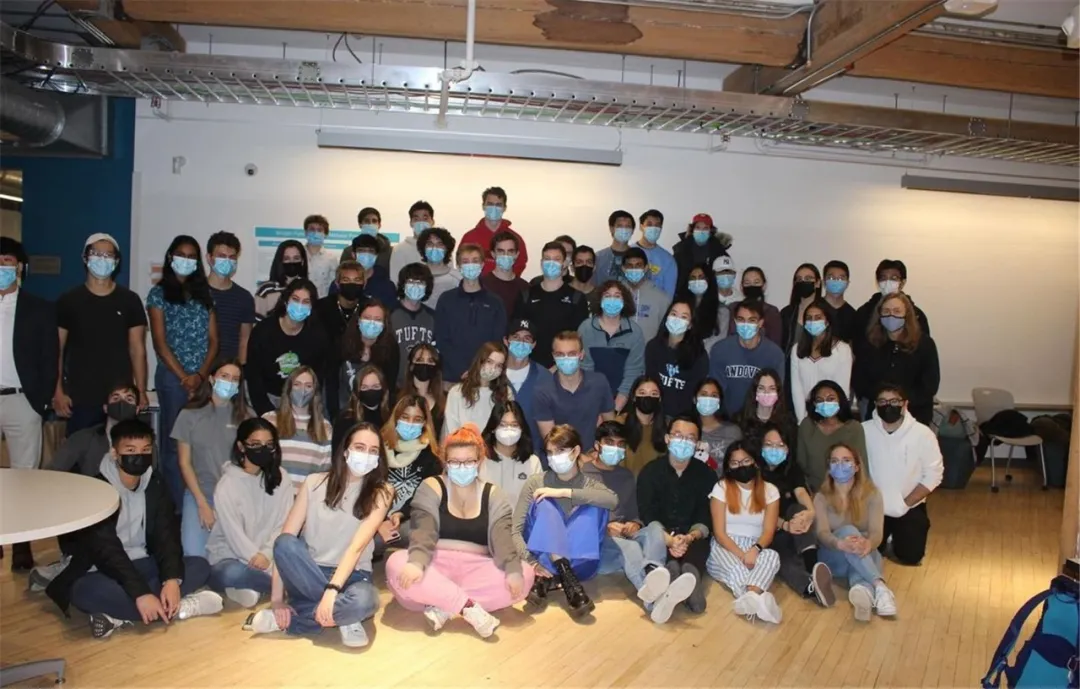
Her deep involvement in CS at Tufts allowed her to cultivate a birds-eye view of the industry. “This comprehensive perspective allowed me to help lower-year students obtain tech internship referrals, become more aware of what they’d like to specialise in within the field, and secure on-campus opportunities to strengthen their job applications.”
However, Annika also recognised the importance of self-care. Drawing on her experience as former Health & Wellbeing Prefect, she knew when to take a step back and recharge. During her junior year, she stepped back from some of her leadership roles, dedicating her time to simple pleasures like enjoying a cup of coffee or relaxing on her porch. “Burnout isn’t something you can overcome; you have to trudge through the emotional drainage. Your mental state should be among your top priorities, if not at the very top.”
Reflecting on Her Journey
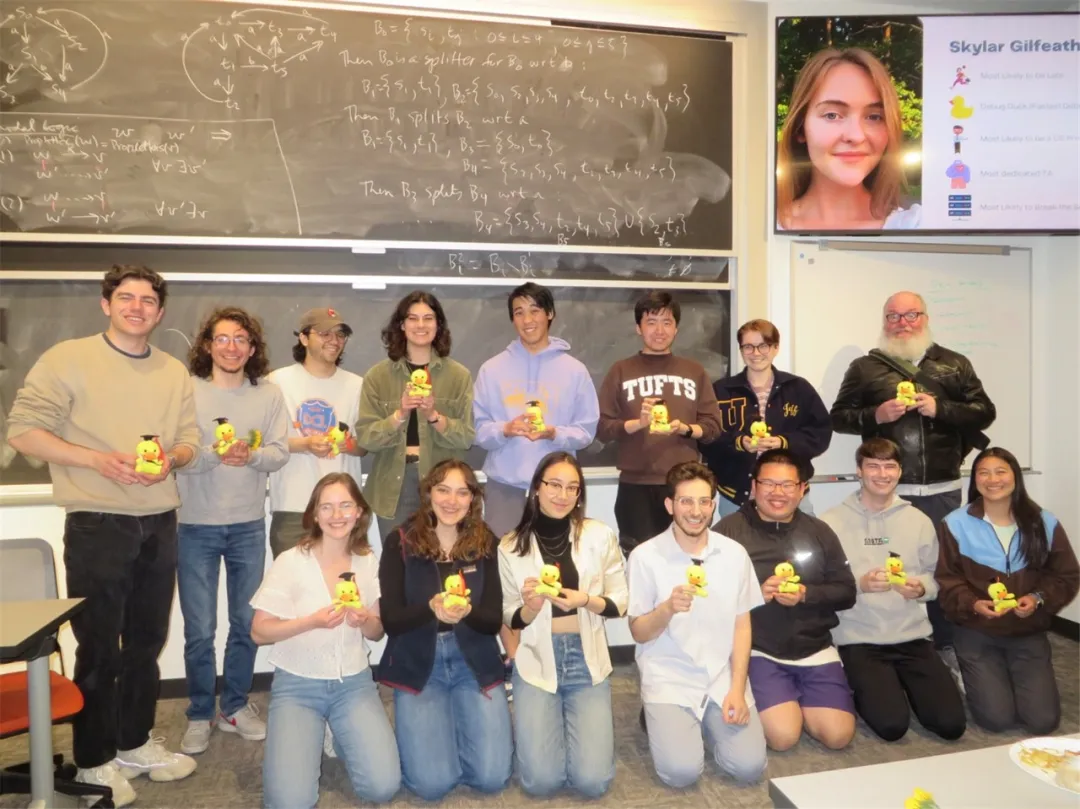
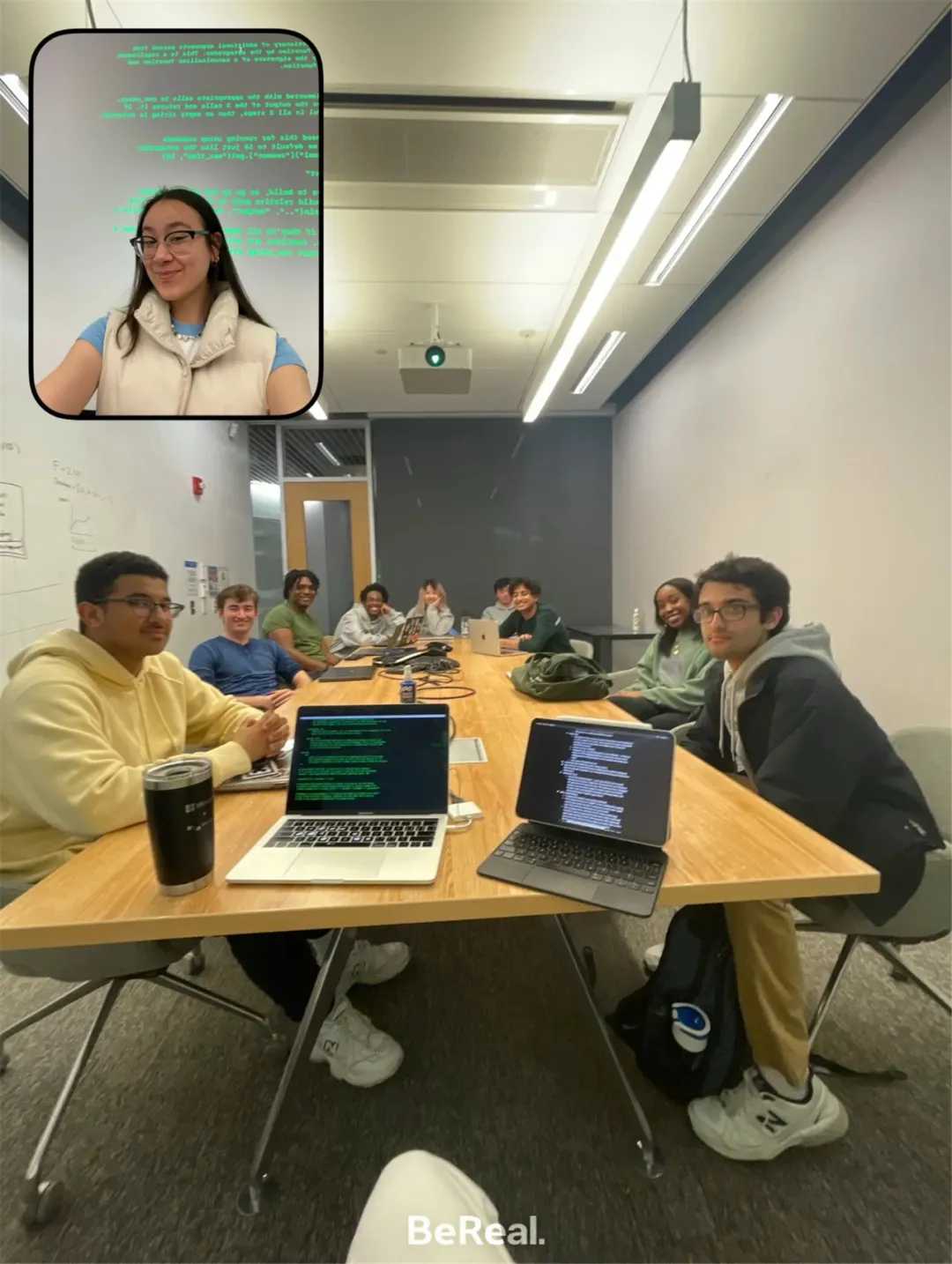
Her journey as a woman in STEM has been challenging but is encouraged thanks to the young girls who look up to her and are following in her footsteps. As the first woman Teaching Fellow (TF) at Tufts to lead the infrastructure team, she grew interest in the team from 3 to 25 members and increased the number of women by fourfold. “I’ve always wanted to make the tech industry less daunting, especially because of the high knowledge and emotional barrier to entry. In all my initiatives, I’ve tried to make parts of the industry more accessible in the capacities that I could.”
She’s also proud of maintaining her authenticity in a world that often pressures individuals – especially women – to conform. “I realised the hard way how easy it is to fall into behaviours and ways of being in college. There’s a lot of pressure that exists; it took a lot of “feeling wrong” and a year of intense burnout to truthfully ask myself what I want to do. Without it, I wouldn’t have found my position as a Product Manager after being in software engineering, joined the Humanist community, discovered my hobby in rock climbing and more that has since made life so much more fulfilling.”
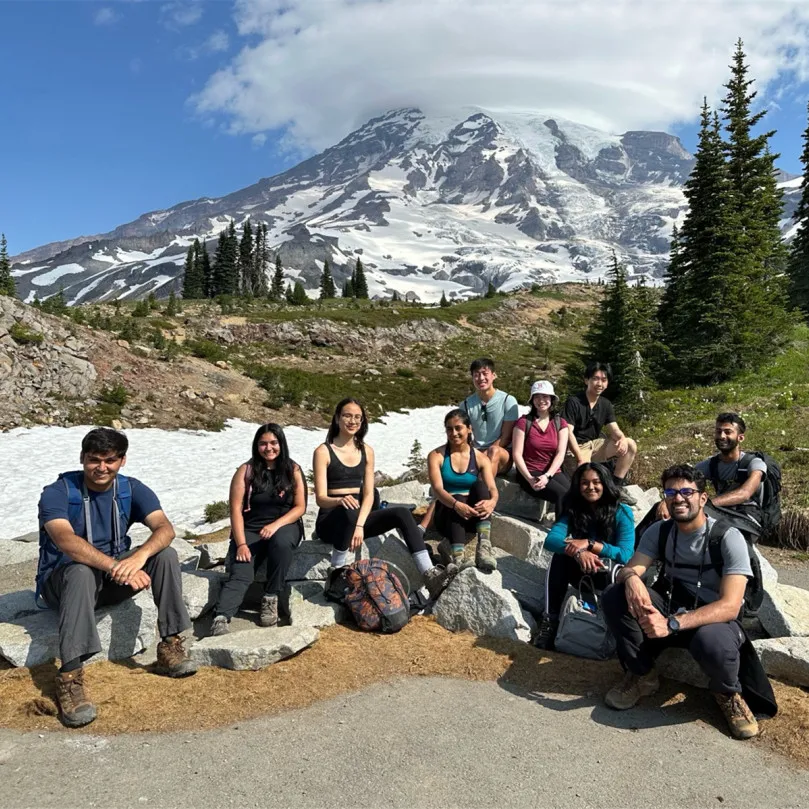
But to grow professionally, it’s also important to remember to give back to ourselves—something she dedicated her last summer to before starting full-time at Microsoft. “Self-care is also community care,” she gently reminded.
Advice to the community
As the cliché goes, follow your heart (and your interests), no matter how obscure or niche they seem. “You never know how they’ll come back into your life in the future,” she said. “I met my first friend, who later helped me obtain a housing spot in his suite, from a freshman year game of online D&D. I aced my Research Assistant interview with the obscure knowledge I had gained from taking a fun linguistic course. I met one of my closest, most meaningful friend groups after we all coincidentally met in a shared Self-Help in American Culture course.”
She also advised to find and explore everything that emotionally fulfils you, from little things like your favourite nearby cafe to larger things like a service or teaching gig. “Be open to all the different forms of impact one can make, especially in such a vibrant world in college. When college and post-grad life can be draining and isolating for most people, being known as the kind and warm person by the people around you can really make a difference. College will take the shape of whatever you want it to take, and you will become the person you want to become if you’re intentional enough.”
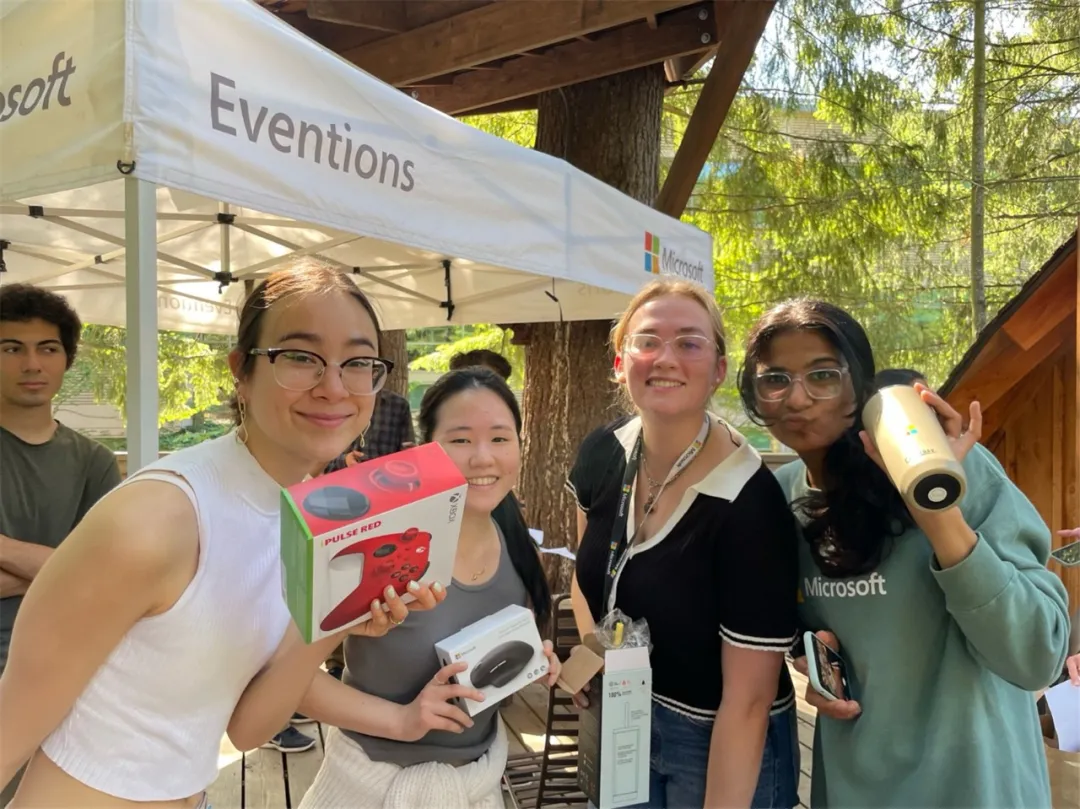
“While there is merit in pursuing knowledge that you immediately know would benefit your future, there is also importance in indulging knowledge that you immediately love, which has the potential to be surprisingly beneficial later. If you’re in college and you feel an instinctive tug to learn something, and you have the capacity and bandwidth to do so, I’ll say to always go for it. And of course, as a rule of thumb, always thank and remember the ones who help you along the way. I’m always overcome with gratitude when I send Mr Karasik the next email updating him on my career adventures, and it’s a simple way to give a few minutes to myself to reflect on how difficult but satisfying my journey has been.”