Building A Shared Model for Quality: Engaging Learning

untitled-design-6
engaging-learning-1

At Education in Motion (EiM), we believe the most powerful learning happens when we give children the opportunity to explore their environment with awe and wonder and channel the incredible natural engine of their curiosity. Our child-led, play-based approach builds more resilient, creative, and academically successful learners. This approach to learning is based upon strong, proven pedagogical research.

engaging-learning-2

Our uniqueness is called 'Engaging Learning', a pedagogical document that is used by everyone in our organisation to ensure the best learning environments, learning experiences, and outcomes for our younger children. This includes the architects who design our schools, the operations teams who create and maintain our environments, the admissions teams who can share our approach with parents from the beginning of their journey, and of course all our school leadership and teaching teams.

Every practitioner who works with children up to the age of seven years across the EiM group of schools now holds the Engaging Learning principles at the core of their practice and understands that quality learning through play sets the foundations for future learning. 

Our principles are firmly based upon three statements:

  • We know every child and understand that they are unique.
  • We build strong foundations for learning through play and inquiry.
  • We create inspiring learning spaces indoors and outdoors to encourage exploration and adventure.

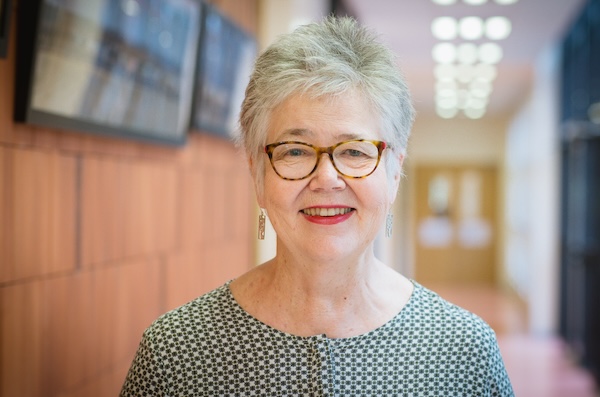
In this instalment of our Thought Leadership Series, we speak with Kate Beith, the principal architect of this framework, with a career spanning over four decades, from Principal of a UK Early Years College to Head of Early Years at Dulwich College Beijing and later becoming Group Deputy Director of Education.

Kate has worked collaboratively across the group to develop an approach that sets a definitive standard for Early Years education across our network. We sat down with her to demystify what Engaging Learning really is, and why it is such a transformative start for a child.

dehong4842
Q: Kate, could you start by describing your journey and what led you to create a whole new framework for Early Years education?

Kate:"My journey in education began as a Primary Teacher and has really spanned the globe. I had advisory roles and led an Early Years College in England. I consulted for schools in places as diverse as Germany, the Maldives, and Japan. Throughout it all, I've always followed my core values of kindness and inclusivity, which have shaped how I work with teams and my approach to children’s learning.

I joined Dulwich College International back in 2007, and at that time, I was helping to pioneer play-based learning in China. It was an exciting time. We were developing professional learning programmes for our staff and working to create these rich, inspiring Early Years environments.

But as we grew, we faced a new challenge: 'How to ensure every child, in every one of our schools, had access to the same excellent, high-quality learning?' The existing tools we found were not suitable for our unique international context. We did not want a model that would ignore local culture and context, so we created our own pedagogical document to be used by teachers to continually reflect upon their practice and as a tool for leaders to evaluate the quality of learning in each school.

Engaging Learning is a collaborative project including educators from across the group. It has evolved over the years and draws on global best practice while remaining responsive to each school's unique context. It is all about making sure your child has the best learning experience, whether they join us in Beijing, Singapore, Shanghai, or any of our other schools.

Many people have been involved in this journey but my key collaborator is Lindsey Welch, an amazing early years educator who has worked in a number of our schools and is now heading Early Years in our school in Sherfield."

engaging-learning-3
Q: For parents and educators who are new to this approach, Engaging Learning can sound like a complex idea. How do you break it down?

Kate:"At its heart, Engaging Learning is built on three key strands that all fit together.

The first, and most important strand is Knowing the Child. This is about building a trusting relationship where every child feels safe, seen, and understood for who they are. We know that when a child feels secure and happy, that is when they are most ready to learn. Their wellbeing and their learning go hand-in-hand.

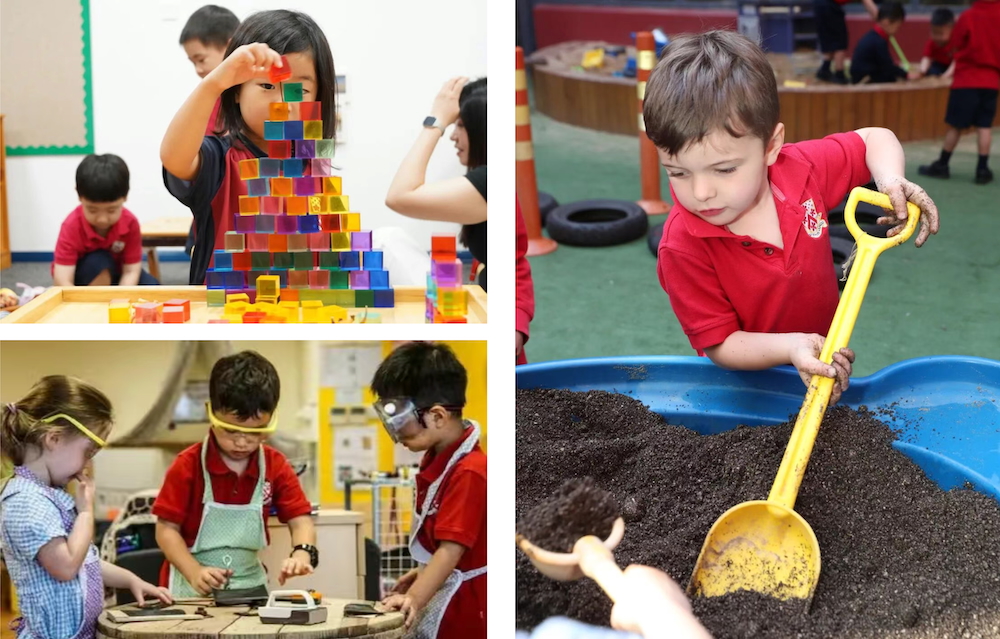
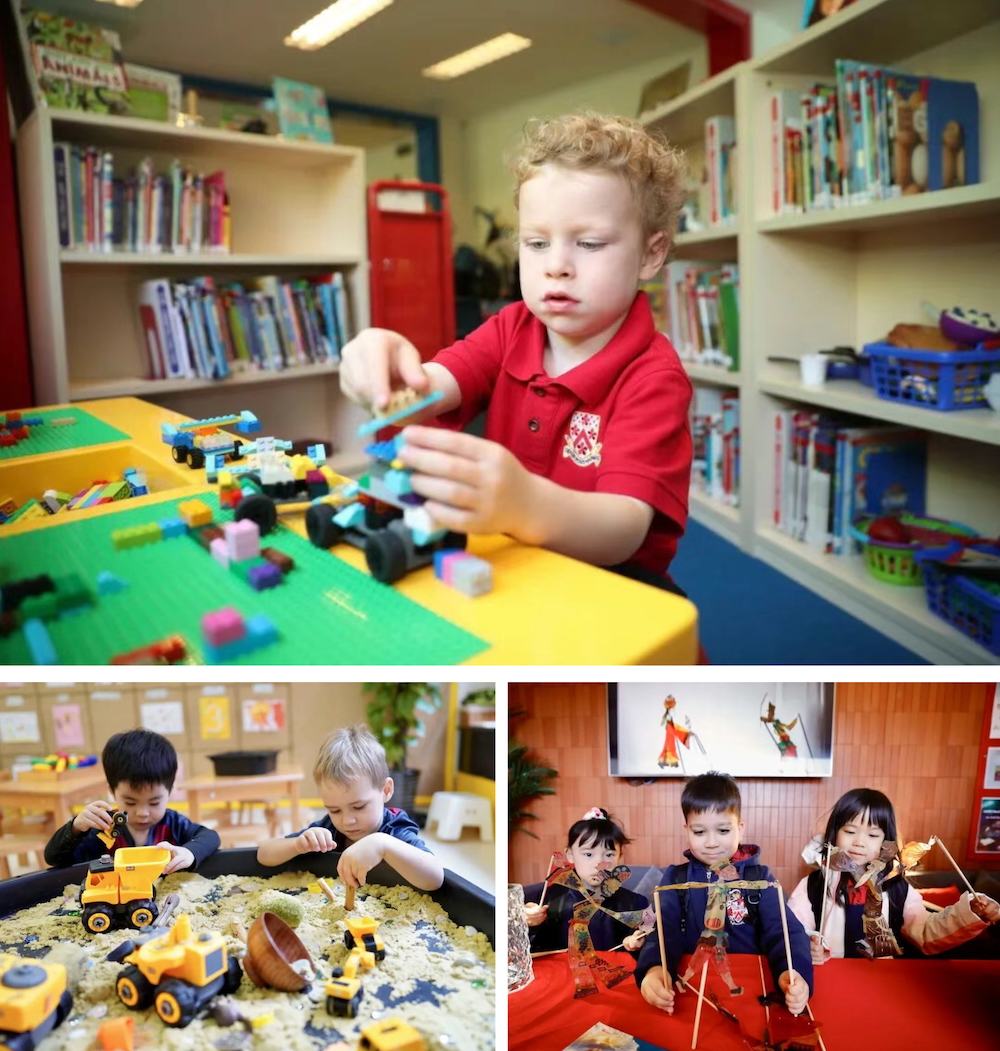
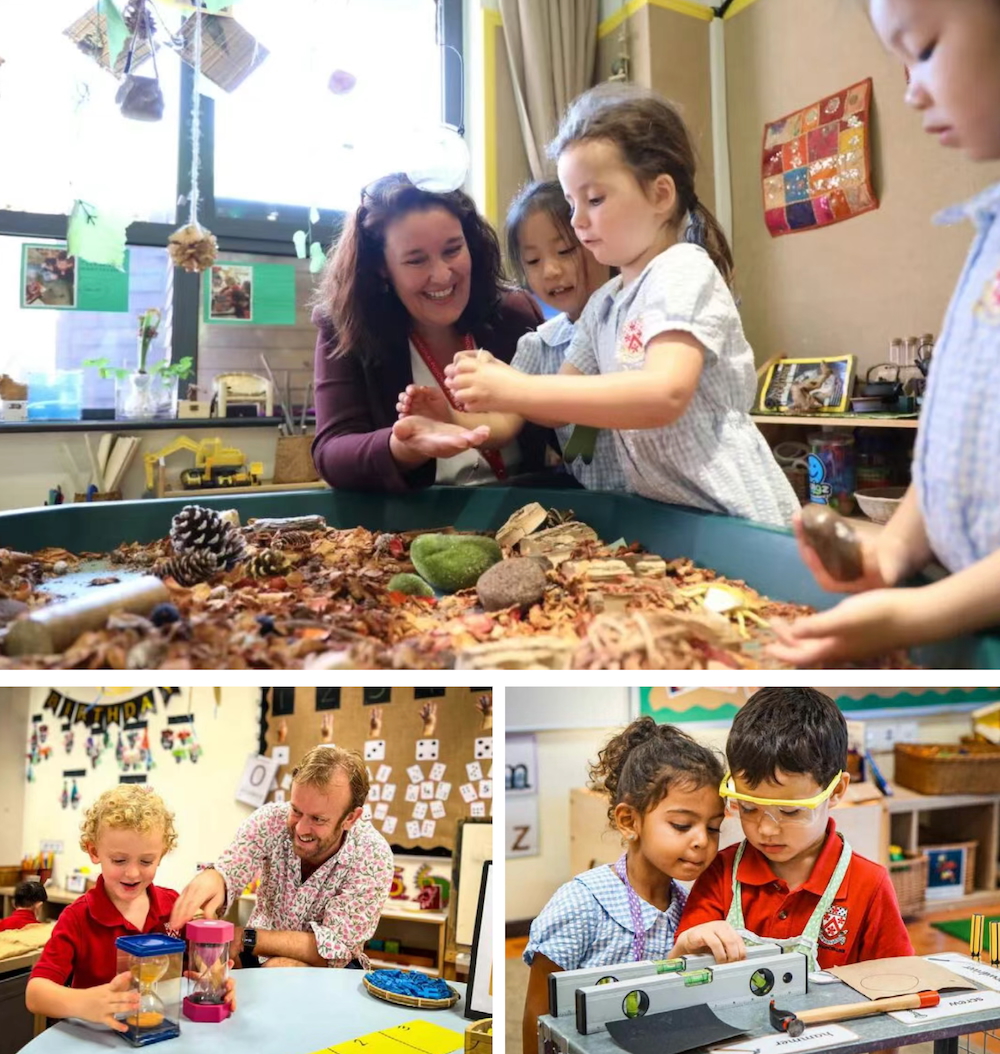
The second strand is Spaces for Learning. We see the learning environment as a teacher in itself. We have intentionally moved away from bright, plastic-filled spaces to calm, natural environments and materials that are calming and encourage children to explore, make their own choices, and even take safe but healthy risks. It is in these moments of discovery that younger children build real confidence and the key skills they need at the start of their learning journey.

Finally, Foundations for Learning is where it all comes to life. Here, we blend children's natural play with gentle guidance, allowing them to naturally pick up skills in reading, literacy, maths, and problem-solving through various child-initiated and adult-led activities. Our teachers are experts at observing and knowing when to support a child with a provocative question to move the learning to a higher level or when to just let the learning unfold.

The magic is in how these three pieces connect: Knowing a child helps us create the perfect space for them, and that space then helps their learning truly flourish."

engaging-learning-4
Q: How does this pedagogical framework translate into the actual daily experience for children and teachers? What would you see and hear if you walked into a DUCKS learning space tomorrow?

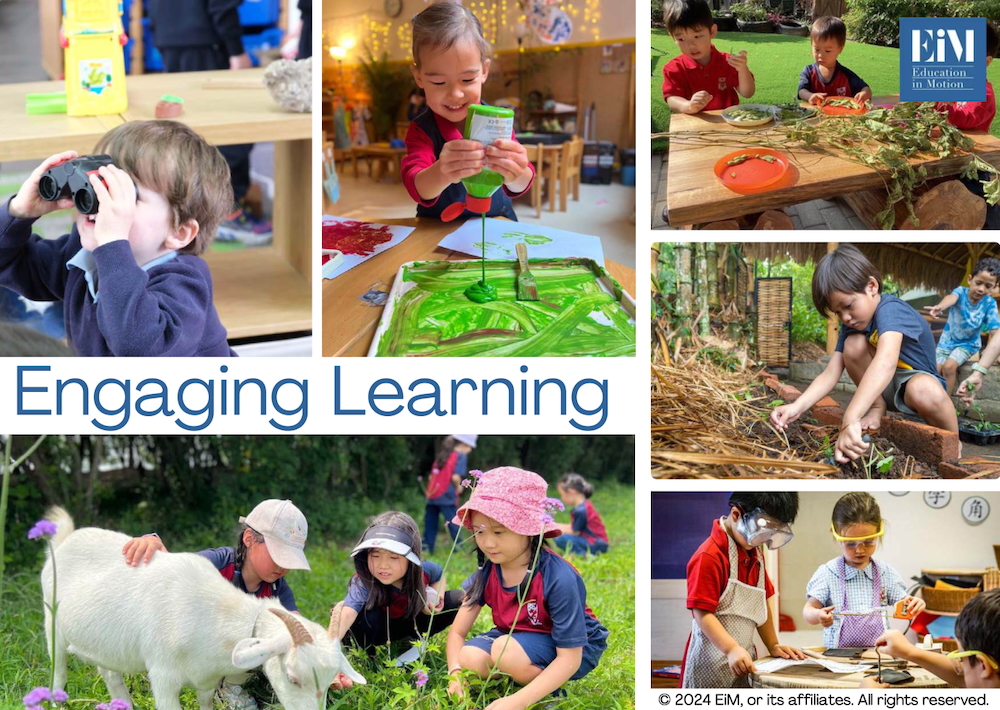
Kate:"If you were to visit one of our DUCKS settings today, you would immediately notice the difference in atmosphere. It is not a traditional classroom with rows of desks facing a whiteboard. Instead, you will find a dynamic environment filled with natural light and materials. There is a calm, focused energy; what we like to call a 'productive hum' of engaged learning, instead of noisy chaos. The environment documents each child's learning with photographs, examples of work and comments from the children and teachers.

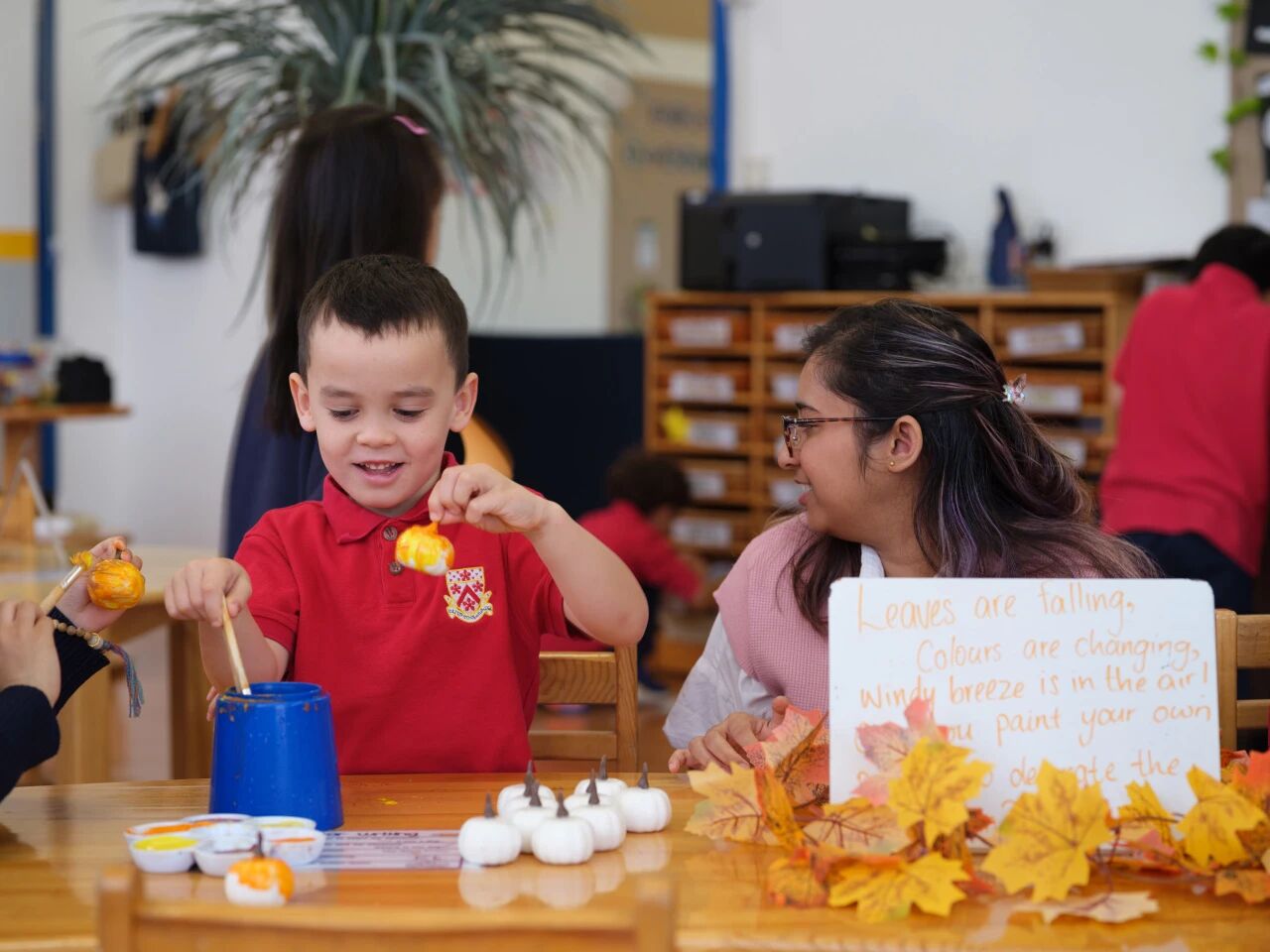
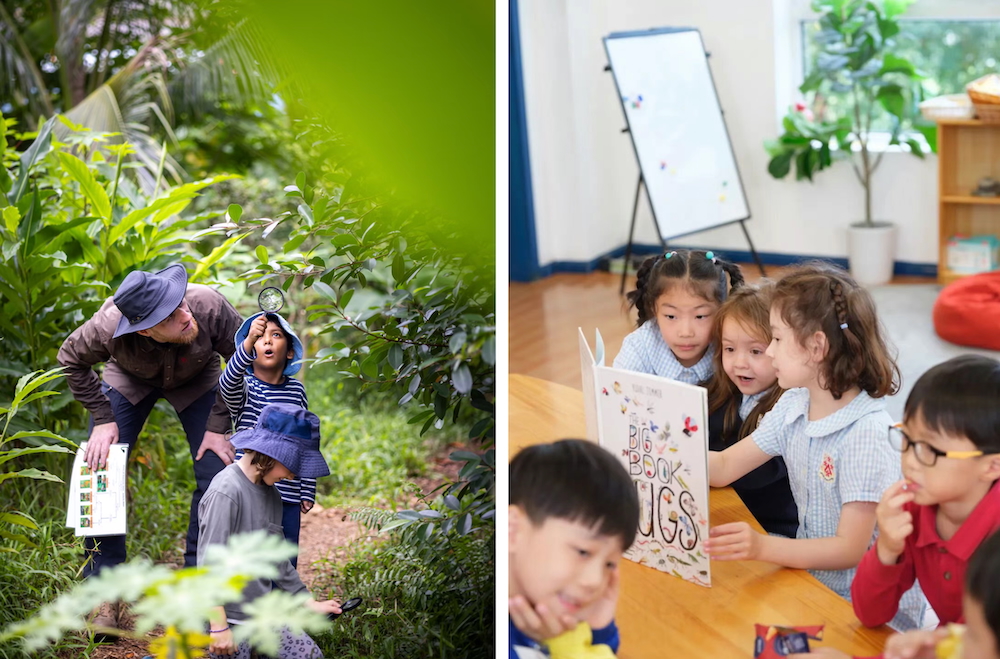
You will see small groups of children deeply engaged in different activities. Some children might be preparing their own snack, while others are drawing, mark-making or perhaps problem-solving using blocks and pulleys! Children will be flowing indoors and outdoors where possible as we believe that deep learning takes place in both environments.

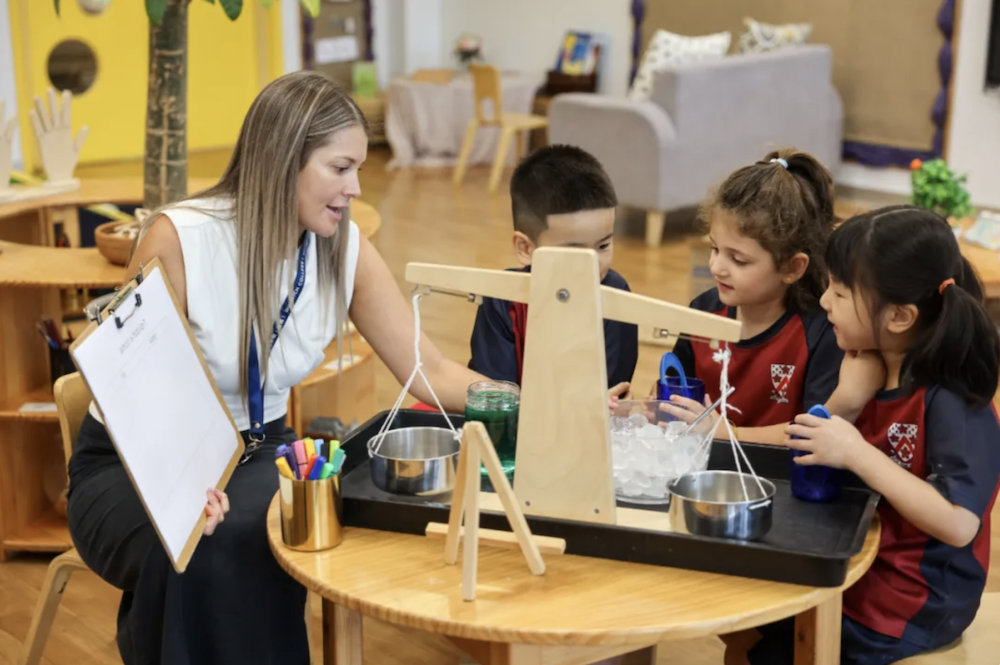
A teacher will be with them, observing and not giving answers, but assisting their learning through thoughtful, open-ended questions like, 'Can you tell me more about your drawing?' or 'I wonder what would happen if you tried a different kind of paper?' Of course there will also be adult-led activities, often in small groups to ensure that each child has a deep level of support.

What you are witnessing is children as active leaders in their own learning; they are making genuine choices, solving real problems, and learning to collaborate. All of this is supported by teachers who have the skill to know when to step in with a deepening question and when to step back and allow the learning to unfold naturally. They are facilitators, observers, and partners in discovery."

engaging-learning-5
Q: Some parents might look at this environment and say, 'This is wonderful, but with all this play, are they really learning the academics?' How would you respond to that very valid concern?

Kate:"I completely understand that concern. Most of us were taught in a very different way, and I can reassure them wholeheartedly. Centuries of research from around the world, and our results, are overwhelmingly clear.

Play-based learning not only builds strong foundations for literacy, numeracy, and problem-solving, but it gives the child those intangible tools - confidence, independence, responsibility - to succeed in their careers and life. These foundations of a high level of future learning and attainment are woven into the fabric of play.

We are not alone in this. There is a range of historic and ongoing research from pioneers like Vygotsky, Piaget, Froebel and Malaguzzi and modern-day researchers and neuroscientists. All agree that play-based learning is a direct pathway to inquiry-based learning.

The proof is in our graduates. We can track students from our Early Years programmes right through to graduation, and the results are undeniable. They consistently achieve outstanding IGCSE and IB results and move on to the world's top universities. Some have even topped nation-wide rankings in China.

I recently received a letter from an ex-student who was about to start university thanking me for the strong start to his learning journey that he experienced in our early years.

But the academic scores are only part of the story. The deeper outcome is the kind of person they become. I am reminded of a moment in the Maldives, watching a five-year-old girl skillfully using a cleaver to open a coconut. My instinct was to intervene, but a local colleague urged me to watch. She was completely capable, focused, and understood the risk. She didn't need my help; she needed my trust.

That is the essence of what we do. We trust children with appropriate challenges to build capable, confident learners. Our graduates leave us not just with excellent qualifications, but with the resilience and love of learning to succeed in an unpredictable world. They do not just receive information; they know how to research and use it."

engaging-learning-6
Q: Finally, why is Engaging Learning a priority for our entire school community, not just Early Years teachers?

Kate:"Because it is the foundation of everything we do. For children, it creates a seamless journey where the curiosity and confidence they build in DUCKS naturally grow with them all the way to graduation.

For our community, it creates a common language and shared understanding. When parents understand why we design learning environments as we do, they become true partners in their child's learning. When everyone, from teachers to our operational staff, shares this vision, we all work together to create the best possible environment for children.

Ultimately, Engaging Learning is our commitment to developing not just students, but capable, creative problem-solvers prepared for whatever the future holds."

engaging-learning-7

EiM's commitment to the whole philosophy of Engaging Learning is such that we are now developing the approach throughout the whole age range to ensure a seamless transition from play-based to inquiry-based learning, to ensure that, whilst ways of learning change, pedagogy and research remain at the heart of each student's learning to give them the best chance in life.

Ready to see Engaging Learning in action? We invite you to move beyond the theory and experience the calm, purposeful hum of a DUCKS indoor and outdoor learning environment for yourself. Contact us today to learn how your child can explore, play, and build a lifelong love of learning with us.

Connect with us