

Education in the Age of AI: Holding onto the Human Touch

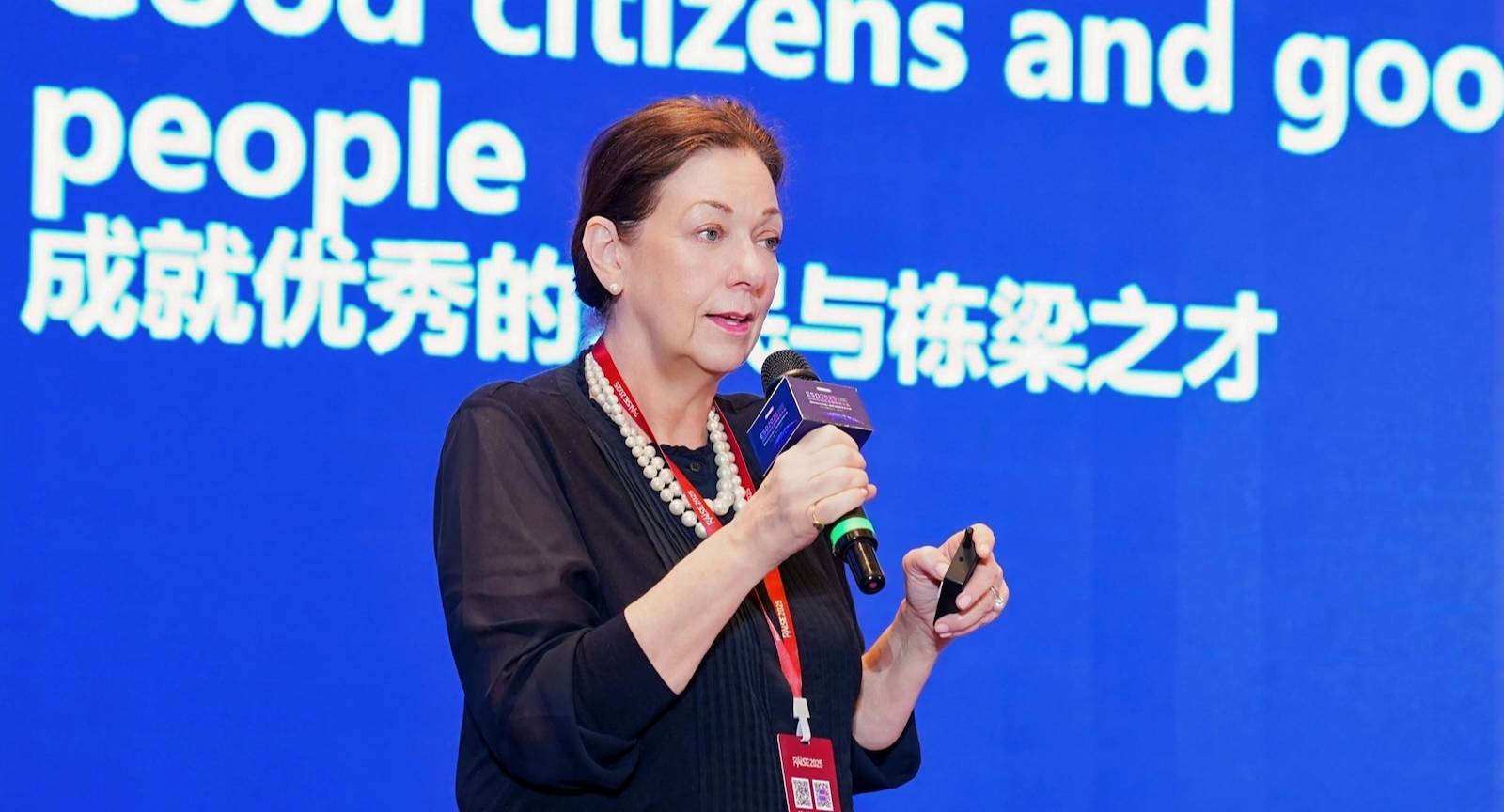
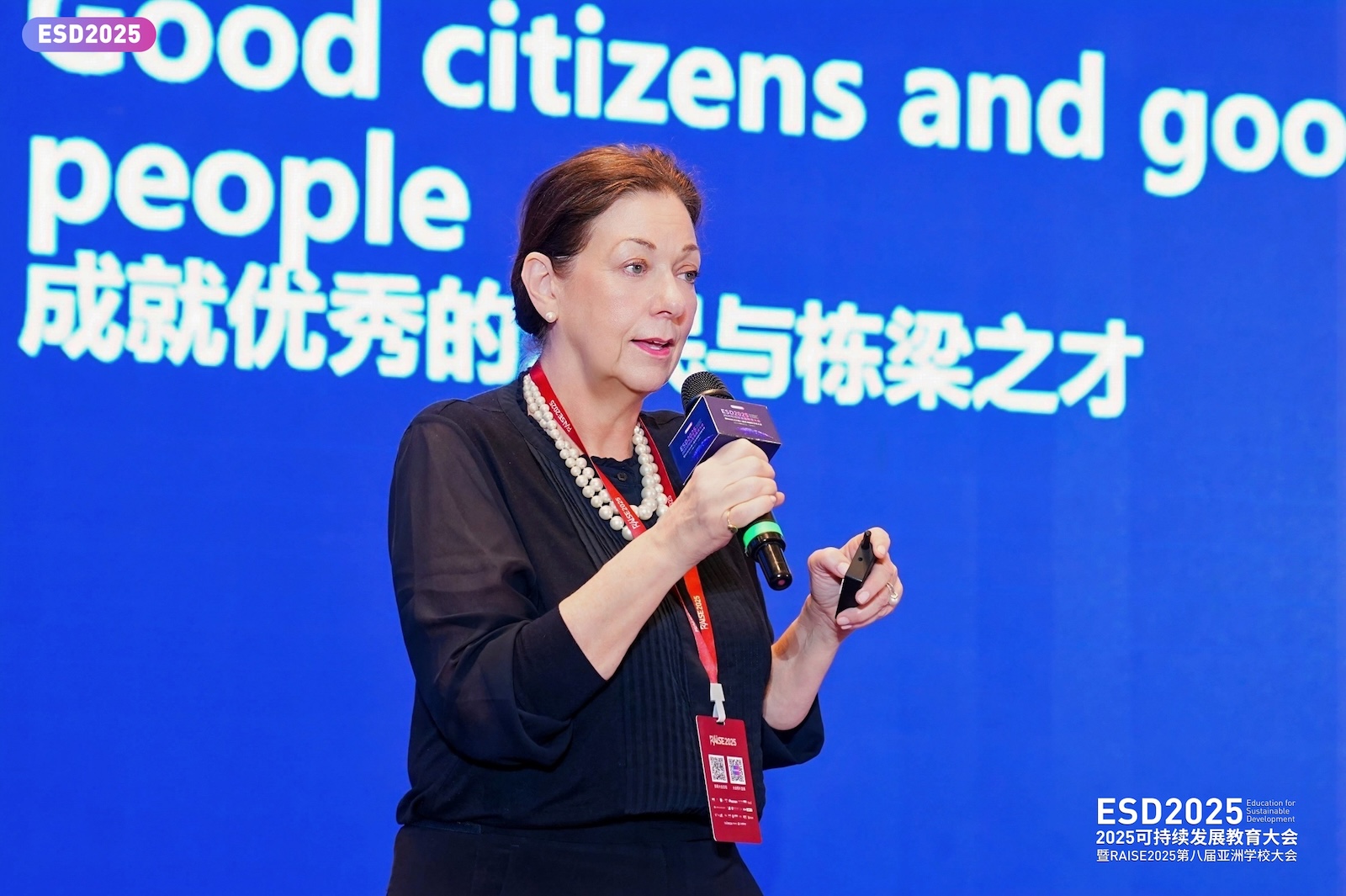
Last month, the 8th RAISE Asia International Schools Conference opened in Yinchuan, bringing together hundreds of global education pioneers and representatives from more than 300 schools. Lesley Meyer, as Chief Education Officer of EiM and co-chair of the EiM Advisory Board, brought a powerful perspective on how education can drive meaningful change and spark bold conversations about the future of learning — a future defined by innovation, global citizenship, and purposeful transformation.
The Purpose of Education
Lesley began with a core question: In an age of unprecedented change, how can education hold fast to its timeless mission while embracing the future?
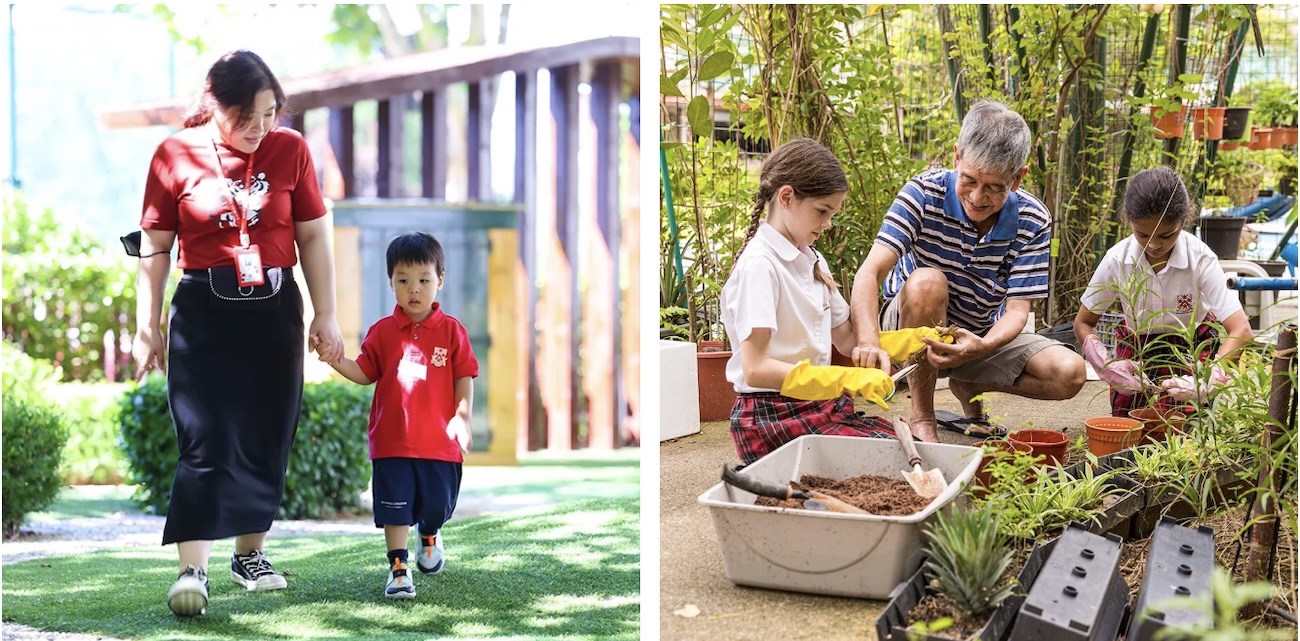
She emphasised that the why of education has never changed: to nurture knowledgeable, skilled, and motivated human beings who can become good citizens and good people. Education must focus on the whole child. While AI and new technologies are transforming the what and how of education, the skills that will truly shape a child's future remain uniquely human: critical thinking, cross-cultural understanding, creativity, and empathy.
"Someone once told me it's better for children to learn philosophy than to learn to code. With generative AI, that is looking more prescient than ever," Lesley reflected. "We don't just need coders; we need great thinkers and compassionate leaders."
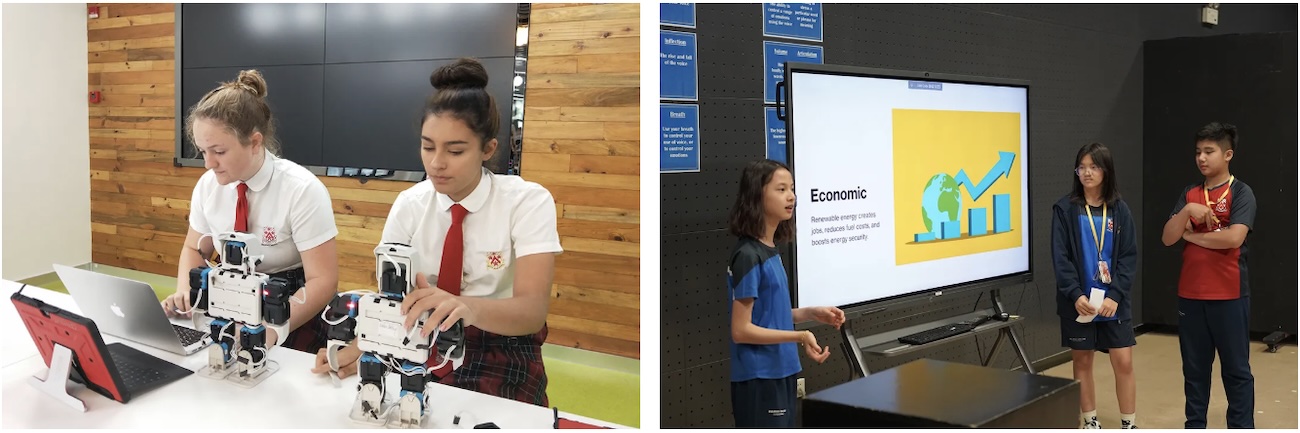
She urged educators to value philosophical thinking, emotional wellbeing, and a sense of community. While embracing AI, we must also protect what she called the "art of being human": teaching children to discern truth, to build trust, and to collaborate.
They Will Become More Human
On the role of AI in schools, Lesley was clear: "We must not see new technologies and tools such as AI as a threat, but as a powerful tool to enhance the human experience of learning." Teachers will not disappear; they will matter more than ever.
AI can automate tasks such as grading and lesson differentiation, even serving as a "patient partner" for every child. In doing so, it frees teachers to focus on what they do best — inspiring, mentoring, building deep relational connections, and nurturing character.
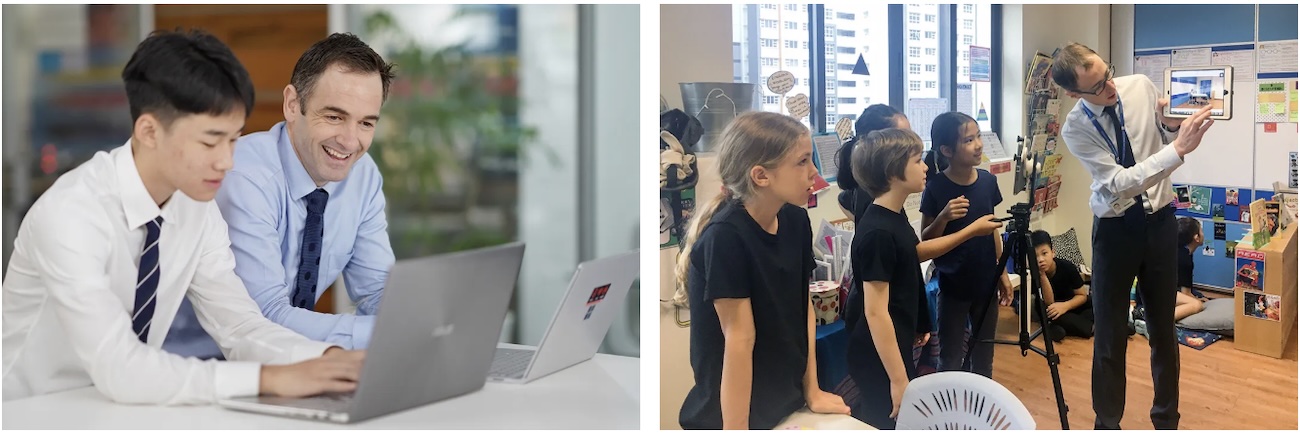
"Teachers are the guardians of childhood, the role models of values," Lesley reminded the audience. The future of education is not technology replacing humans, but humans guiding technology — ensuring that tools serve pedagogy and keep learning profoundly human. With wisdom and responsibility, she called on educators to use innovation to raise a generation capable of solving global challenges with compassion.
A Call to Action
Lesley closed her talk by sharing Dulwich College International's guiding philosophy: LIVE WORLDWISE.
This means education is not only about academic excellence, but also about cultivating global awareness, cross-cultural empathy, character, and the motivation to act for the good of society and the planet.
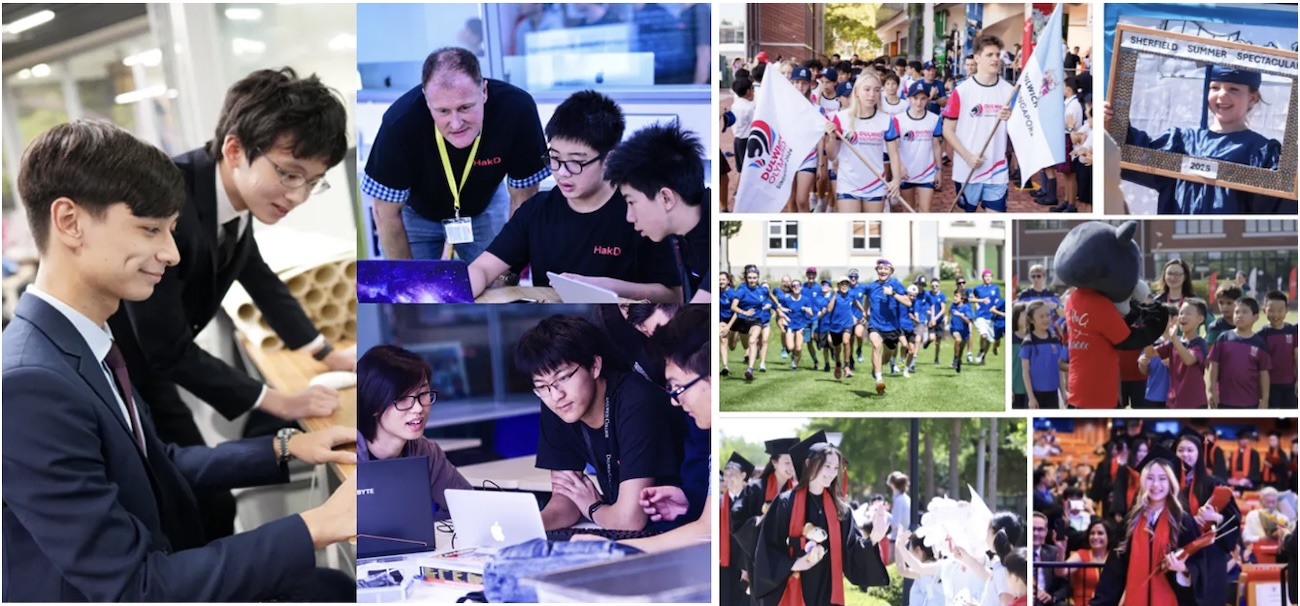
"If knowledge is everywhere, then the school is no longer just its container," she said. "The role of the school is to be a true community — a place that inspires, that cares, that brings learning to life, and that gives children the courage to step into the future." She called on every educator and parent to be role models of curiosity, kindness, and responsibility for the next generation.
"What gives me hope for the future of education? It's the same thing that always has: the students," Lesley concluded. "Watching a child grasp a new idea or show kindness to a friend is a powerful reminder of the human spirit's limitless potential."
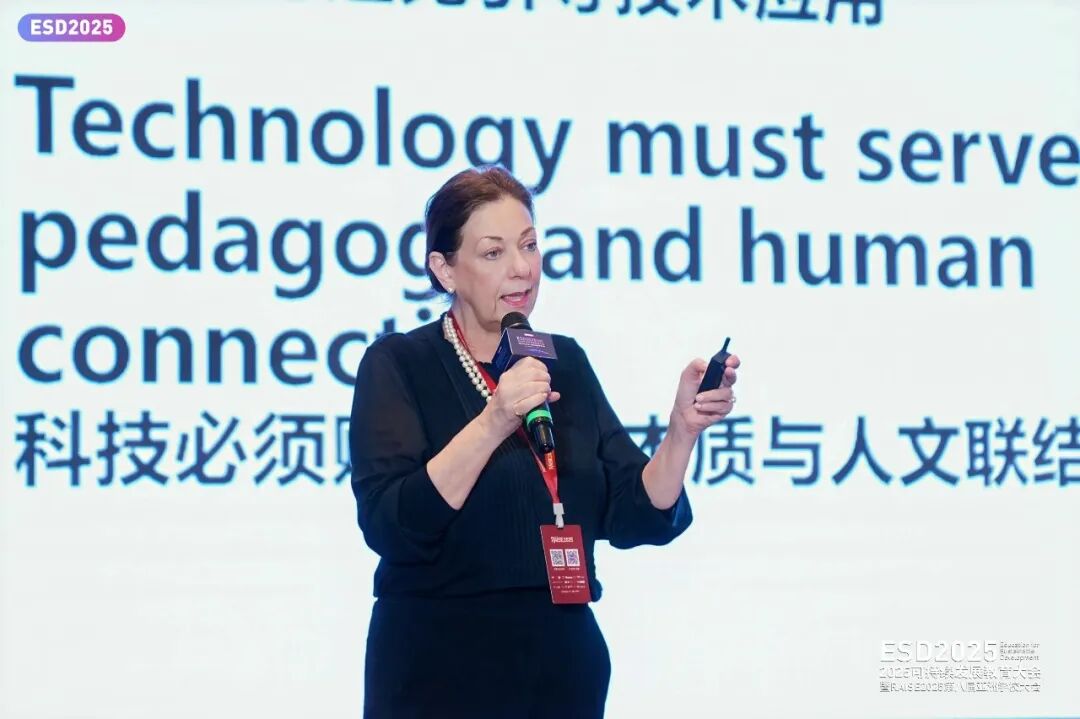
At RAISE2025, Lesley joined fellow education leaders in exploring the future of schools in the AI era, sharing our global perspective and innovative practices. Her insights highlighted a key message for the industry: at the intersection of AI and education, it is the human touch and human values that must remain at the heart of the future.