

Thought Leadership | How you can help in educating your child

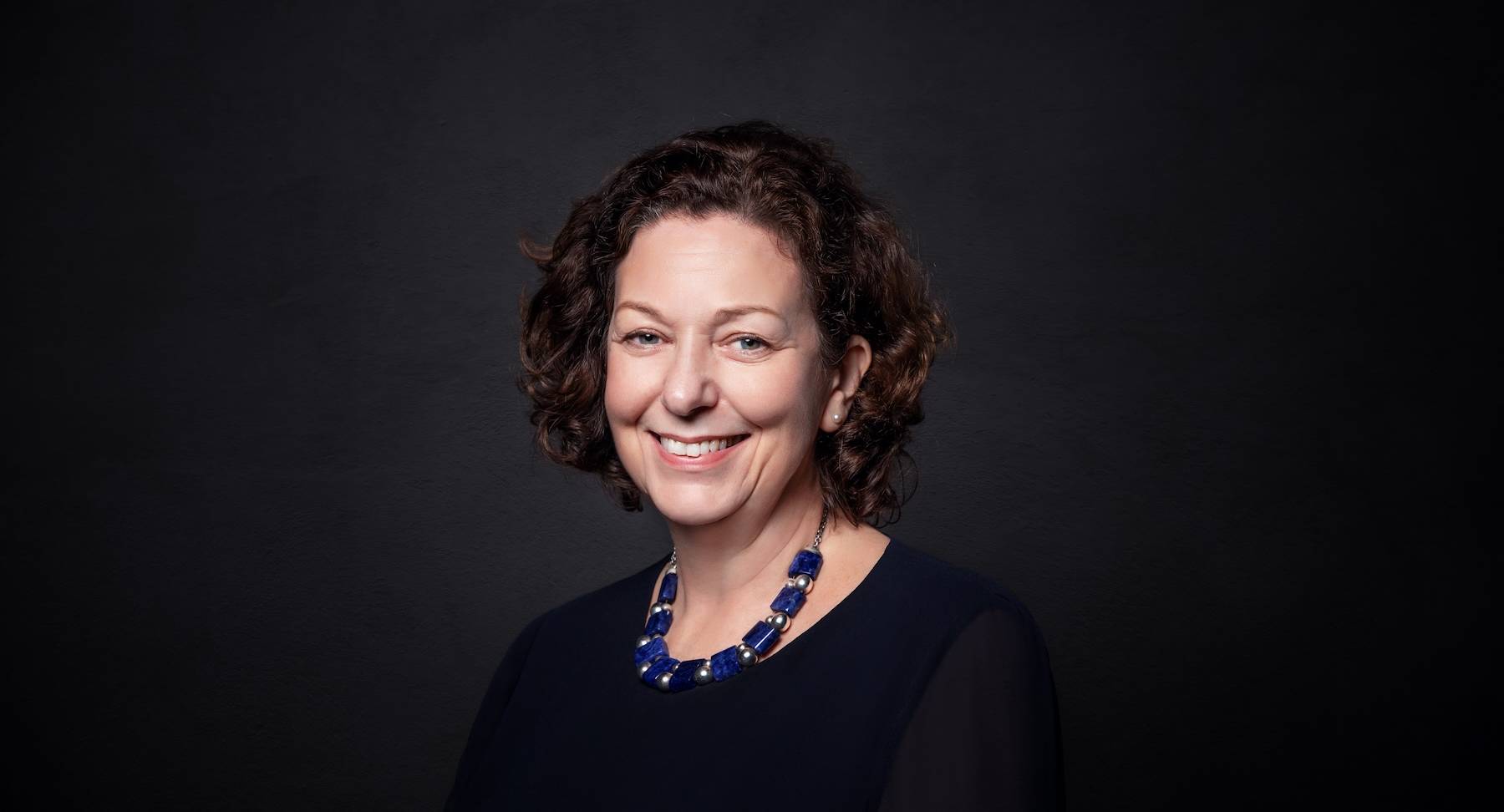

While academics are vital, preparing a child for life requires more. In this final instalment, Lesley Meyer, Chief Education Officer at Education in Motion (EiM), moves beyond the classroom to outline how a powerful parent-school partnership builds the resilience, character and life skills that define a truly future-ready education.
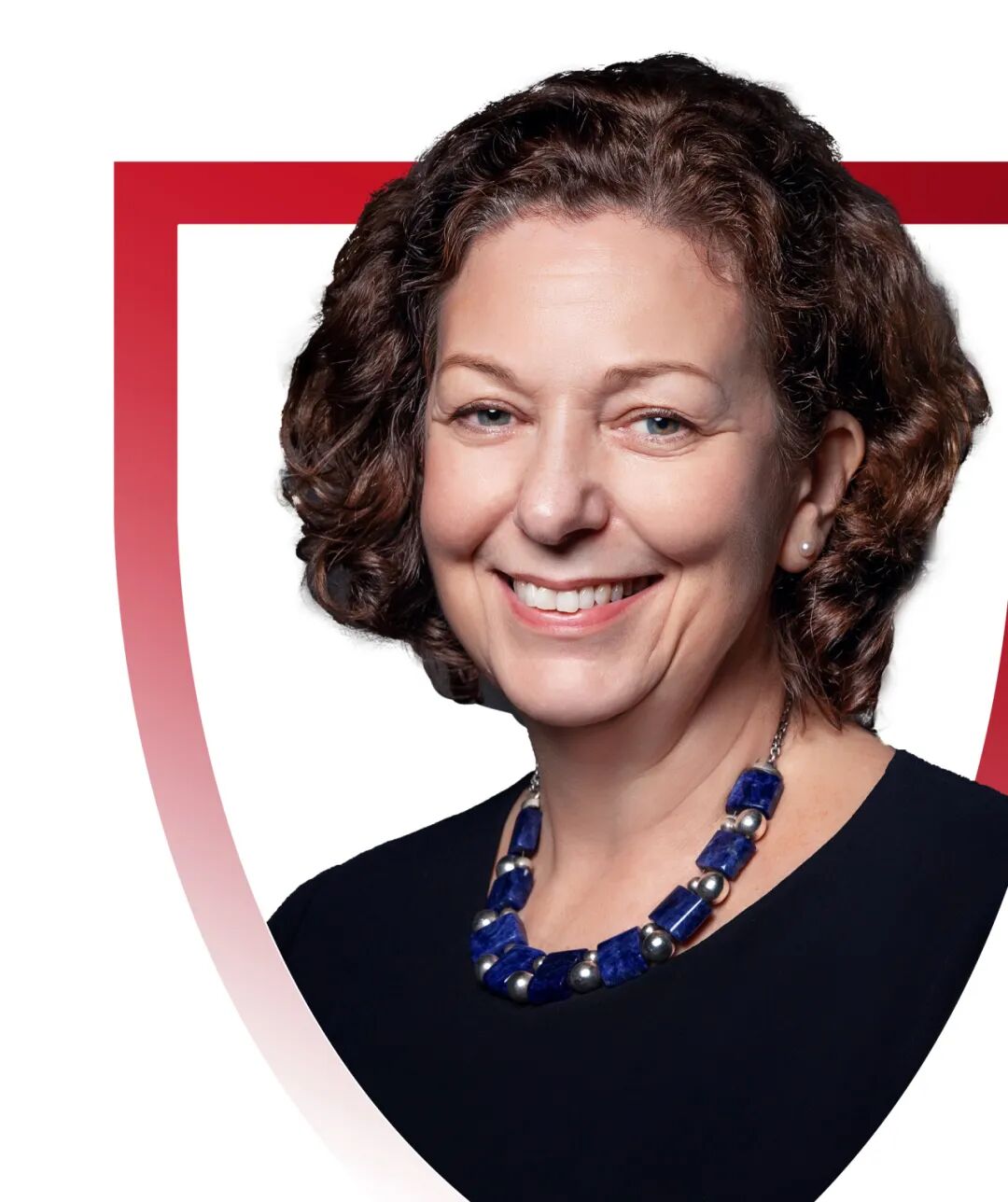
Lesley Meyer
Chief Education Officer, Education in Motion
A lot of parents might just leave the job of educating to the school. How can the school and parents work better together?
Lesley: 'Actually, in my experience, the majority of parents don't just send their child to school and assume their education is solely our responsibility. Some parents may be busier than others, but certainly in our schools, most are very involved in their children's lives.
A good partnership with parents is incredibly important. "It takes a village" is the old African saying. Isn't it? I care about your child as a teacher, but you love your child. There is always that difference, yet we can each give a child different things.
As a parent, you have many jobs, but one is to listen to your child, to make them feel valued and loved. Children build resilience through that sense of belonging to a family. You do it at home, we do it at school, that's one way we can work together.
It is great to simply socialise with your child and talk about their day, so they don't just shut themselves in their bedroom for hours and hours. "Come out and sit with us, eat a meal together." It can be that simple. That dialogue between a parent and a child is essential.
We know parenting can be challenging. It goes through many different stages and many a parent has come to me at the end of the summer holiday and said: "Oh, I'm so glad that he or she is going back to school, Mrs Meyer, I've had enough." Of course, because it's very demanding, very individual and very emotional bringing up a child. That is why the school is there to help.'
What kind of role can parents play in that partnership?
Lesley: 'Parents have a huge role to play in developing a child's life skills by giving them that secure and loving environment. It is the strong foundation, like the soil that a plant grows in and a flower blossoms from. That's what a great family does for a child.
You also create memories for your child to learn from and to look back on with fondness. Time spent together with grandparents and friends shows them what it means to be a good, loving human being.
When it comes to education, the future of schools lies in having parents become even bigger partners. Parents already have experiences, life skills and success in their own fields. They can come into classrooms and share that richness of experiences with students.
All young people can benefit from learning from the generation of their parents, grandparents, aunts and uncles. I'd like to see parents bringing that expertise into the classroom and enriching education.
It's just as important for us to talk to parents when things are going well as when they are not. That's key to building trust between teachers and parents.
Saying to a parent: "Hey, Shirley did a fantastic job today presenting," or "My goodness, I was so proud of the work that Jessie did." Sharing good news and making parents part of the celebration of learning is vital.
And when there are challenges, to say: "I'm really worried about your child. Can we talk? How can we support your child together?" That's how we safeguard children and keep their well-being at the heart of everything we do.'
How can a parent evaluate whether a school is truly preparing their child for the future, not just for the next test?
Lesley: 'When I used to give school tours, parents would often ask: "How is your school better than the one down the road?" I never answered that question directly. I'd always say: "It's about what you are looking for. What is your aspiration for your child? And are we the right people to meet that aspiration?"
When a family chooses our school, they join our learning community. We want them to feel that they've made the right choice. That's why we ensure our school's values, mission, vision and teaching methods, align with how parents see the world.
It's about finding that right match. For some families, a purely academic focus may be enough; they will do all of those other things I mentioned themselves. I would argue that's a difficult thing for a family to do, but that is a parental choice. Others might look for a broader, values-based education.
To find the right school, I always recommend visiting in person. There's a certain ambience in a good school. A quiet, busy buzz of people working in harmony. That's the best way I can describe it. It's lovely once you hear it.
Parents should listen for that sound: the sound of children learning, enjoying learning, facing and overcoming challenges, meeting new friends and finding families who share their aspirations.
But also ask yourself: "Is my child feeling good in their own skin? If not, can I talk to somebody about it? And when I go to that person, do they care? Do I trust them with my child? Do they know my child or are they just a number?"
Those are the signs of a school where learning is safe and relationships are genuine. Then you will see the academic results and you can trust these people, because they're building a relationship with you and your family. That's how parents know they've found the right school for their child and family.'
How can parents help their children become future-ready and grounded?
Lesley: 'Understand that you, as a parent, are a role model for your child. Let them see your excitement, your love of learning, your ability to make relationships and connections with other human beings on this planet. Let your child see that you care about them, about their education, about the world.
They're looking at you from the moment they can, watching your every move. They are experts in you as a parent because they've observed you since birth.
So role model your priorities. If you want them to be kind, show them kindness. If you want them to love learning, let them see you learn. Be part of their journey, be open, listen and be kind.
If you are constantly undermining them, constantly criticising the school and the teachers and their academic success, do not expect them to wake up excited for school.'
With so many challenges and emerging technologies, what makes you optimistic about the future of education?
Lesley: 'It takes about 30 seconds to watch a three-year-old begin to explore the world around them. That makes me hopeful. The human desire and passion for life is an extraordinary thing to behold.
After decades of watching young people grasp the opportunities when others believe in their potential, I can't help but feel hopeful.
I see so many colleagues and teachers who get up every day, go into the classroom and are inspired by their students.
I look forward to seeing what the next generation and the one after are going to do in our world to solve problems. They're going to do great things. I have no doubt about it.
As for us, we have the privilege of working in amazing facilities with fantastic resources, like-minded colleagues and truly wonderful young people. All supported by families who really care about education.
Our schools need to be role models of great education. We are to be beacons of what is possible.
We show our students how to care, to be fundamentally good, knowledgeable and highly motivated. Many of them go on to be leaders in business, in institutions and even leaders in politics and policy making. Our role is to support them on their journey towards becoming those great leaders who will solve tomorrow's problems and perhaps today's as well.
That's why we work in education, because of that strong sense of mission and purpose and the knowledge that we're shaping the next generation. That's our contribution to the future.'
This marks the end of our Thought Leadership Series with Lesley Meyer.
Throughout this Series, we have explored what is changing in education and what is enduring.
Lesley Meyer reminds us that Innovation, technology and new approaches to learning will continue to shape the classroom. Yet the foundation of great education remains unchanged: a strong partnership between parents, teachers and students. This is true education.