
Thought Leadership | What Must Change about Schools and Teachers
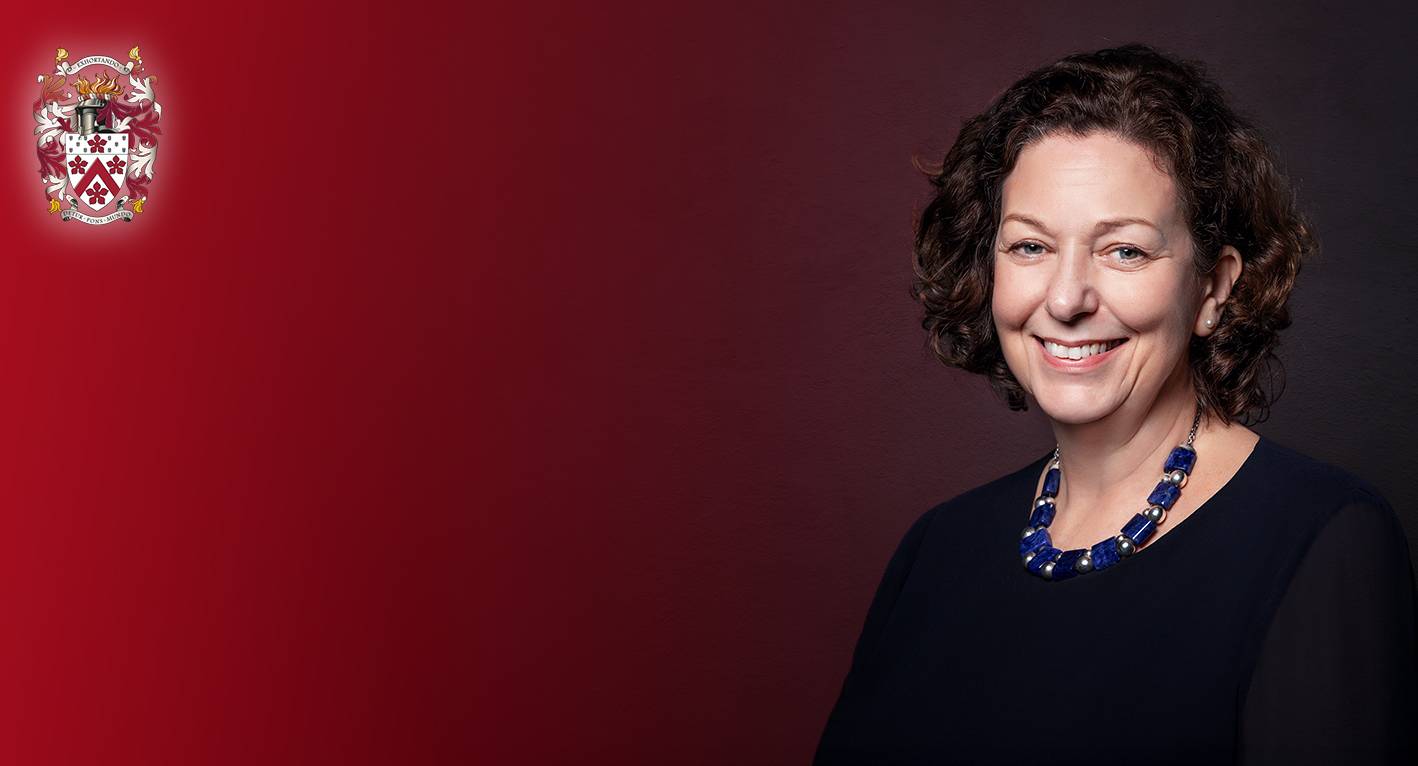

'In the future, knowledge in and of itself will no longer be the only or even the most important criterion for assessing how young people are developing.'
How can schools evolve to meet the needs of today's fast-changing world?
Welcome to Episode 3 of our Thought Leadership Series, where we continue our conversation with Lesley Meyer, our Chief Education Officer at Education in Motion (EiM).
In this episode, we delve into what a truly future-ready school might look like, the challenges educators face and how we can prepare children not only for university, but for life itself.
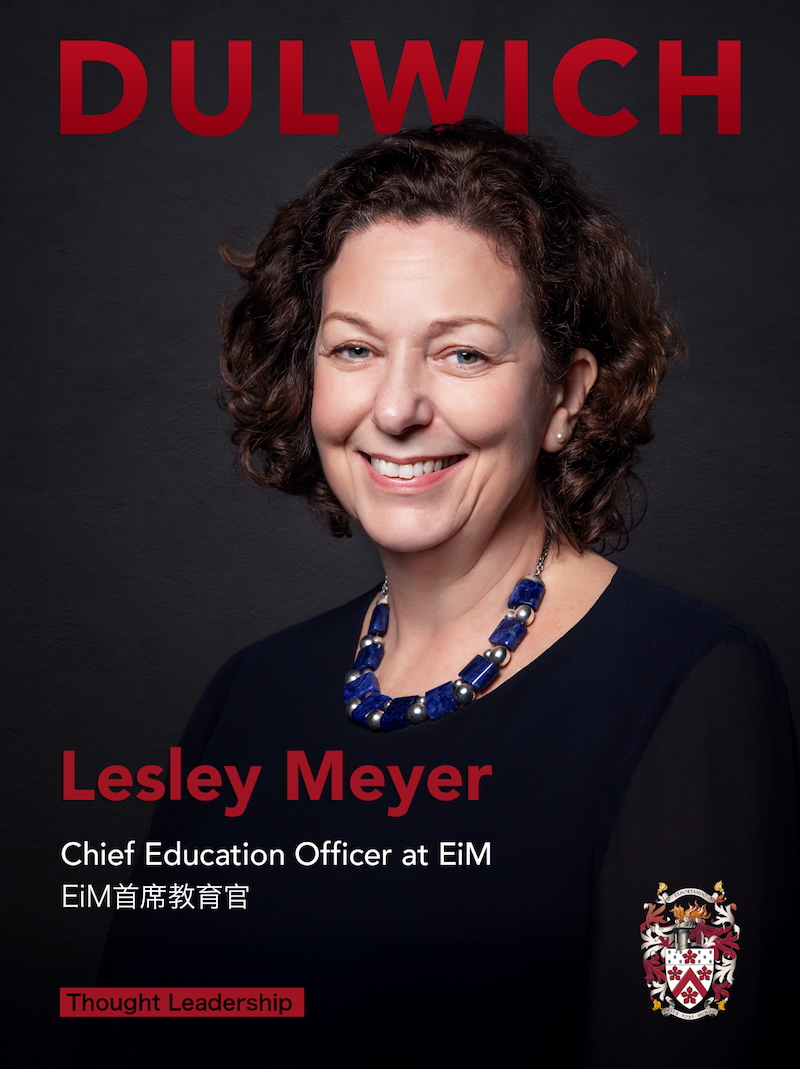
Lesley : 'I think that a school should still educate the whole child. Modern schools should not just be places to transfer knowledge. A great school nurtures every aspect of the child by giving them knowledge, skills, motivation and wisdom to navigate an ever-more complex world.
Above all, schools should inspire, care and help a child develop a balance in their lives and a sense of belonging and purpose.
They must do all of this whilst staying flexible, adapting, for example, to the development of AI.'
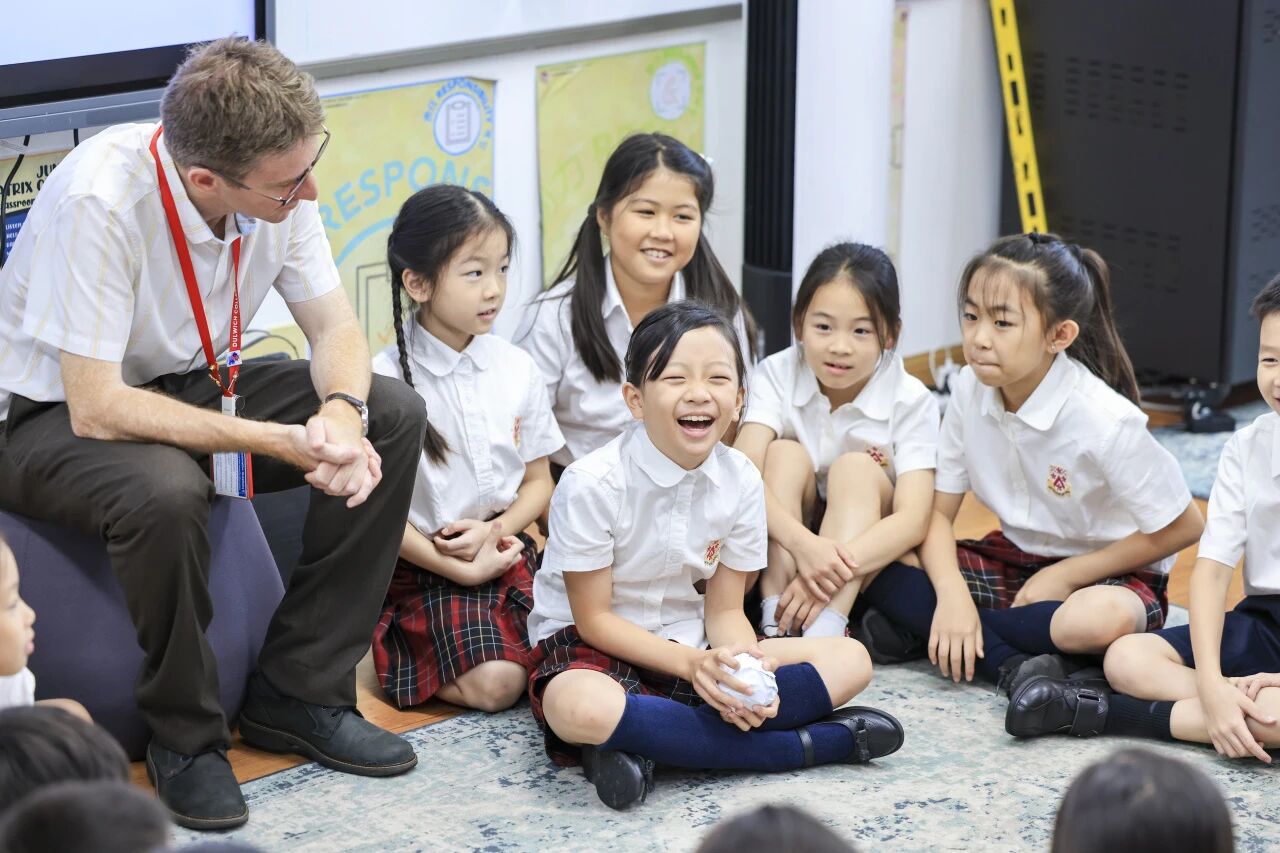
Lesley: 'The role of a teacher has expanded tremendously and I think it has become far more demanding, there is no question about that. We expect teachers to be subject experts, therapists, mentors, innovators and more.
For generations, change came slowly, now it goes extremely fast. We need teachers to have the same competencies and personal traits we want our young people to have. This is how both can flourish in this new paradigm.
That said, one of the goals of using new educational technology, such as AI, must be to free teachers up. It can enable them to focus a great deal more on the inspirational, the motivational, the emotional and the relational development of students.
Education is still and will always be an emotional business. It's a human endeavour. That human connection is something only a teacher can bring. To have the composure and the patience to help young people build genuine human connections.
To assist in that, AI should take over some of the more repetitive tasks, like grading work. In fact, it can already give better feedback on essays than I can. So why wouldn't we want those things to be done by AI? It can take a text and prepare it for different levels of student understanding. That frees the teacher up and allows them to focus on nurturing creativity and human growth.
We're going through a transformational period. It is tough to be a teacher right now because the world expects you to be able to do everything. That's why we're exploring how we can use tools like AI to support teachers and let them focus on the emotional process that is learning.
We want our teachers to do what they do best: help children find that sense of purpose and belonging, knowing who they are and developing the resilience to become a successful adult. Our teachers are going to focus on that more and more going forward.'
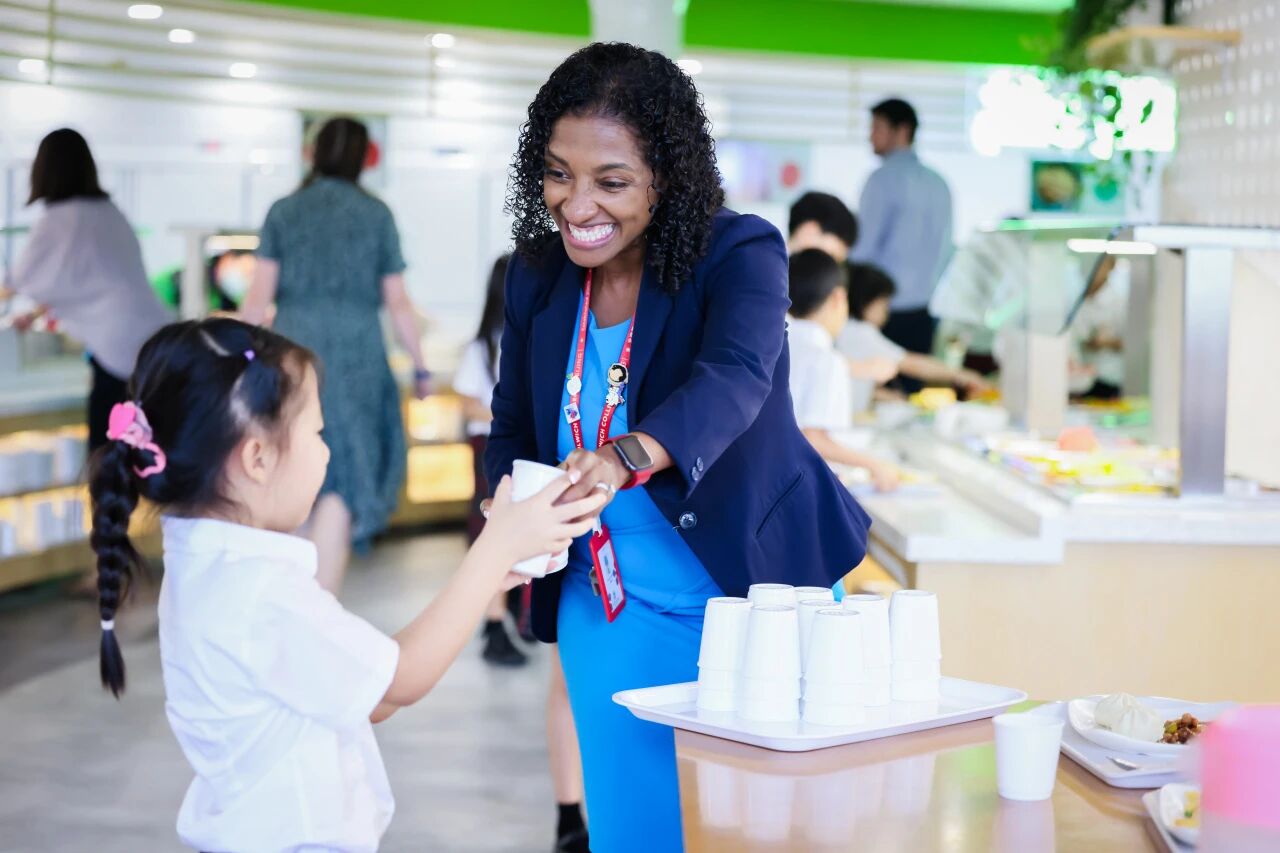
Lesley: 'I think the shift has already started, but let me just say, there is still a need for knowledge. You can't only have skills. You need something to which you can apply your skills.
The source of that knowledge may no longer be the teacher or the textbook, but you still actually need to have knowledge. How do you make a judgement if you don't know anything?
At the same time, we now have so many sources of knowledge. I think we will have to start to value things beyond knowledge. The ability to communicate, to create, to make connections and to think critically are all things needed to be a successful human being. We're actually working with the University of Melbourne to see how we can develop methods to test those competencies.
In the future, knowledge in and of itself will no longer be the only or even the most important criterion for assessing how young people are developing.'
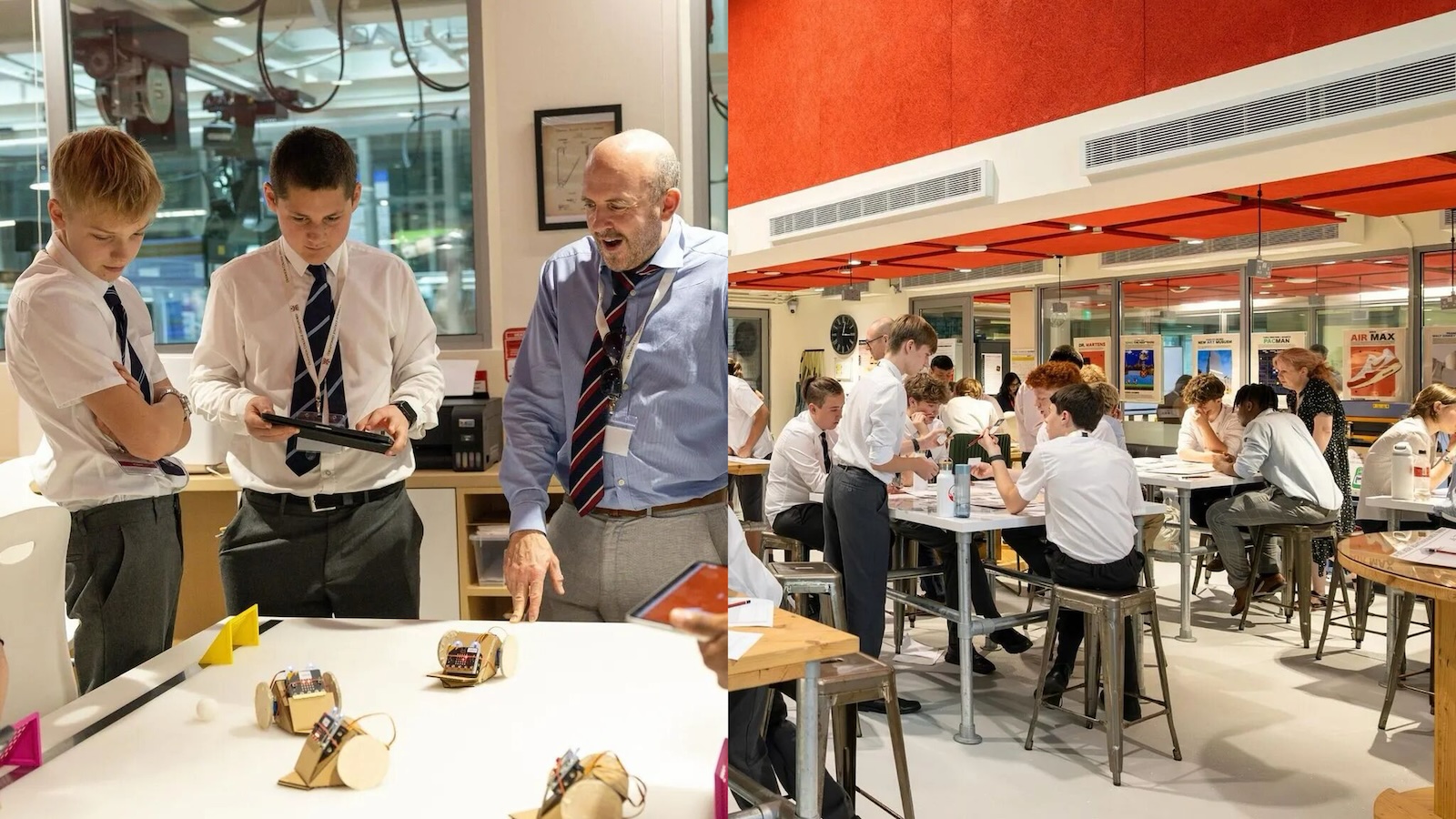
Lesley: 'Right now, parents still see university as the best opportunity for their child. As long as they do, it is our job to help students get there. If a child is academically successful, then we must make sure that they can walk through the doors of Yale, of Stanford, of Oxford or any other university they aspire to.
It is our duty to enable their ambition, their passion and the right thing they believe in. There may be conversations along the way about whether it is the most suited path, but ultimately, our responsibility is to open those doors.
However, and this might be a bit controversial, there are lots of other pathways to success for youngsters. So I don't know if in the future university will remain the only gold standard for a successful education.
Look at Google. They run their own university. If you want to go into fashion design, you will go through an apprenticeship in a great fashion house, rather than a university course. There are game developers who invent an amazing game and then decide to become entrepreneurs. These paths are equally valuable.
We want to fulfil both student and parent expectations. There is no doubt in my mind that great universities provide extraordinary opportunities, but they are also evolving.
Many universities offer undergraduate courses online and in high school. Some of our own students already take university courses in high school. That flexibility of options is what we want our young people to be aware of, because education is not a one-size-fits-all.
We're here to enable them to go and follow their dream and if that dream happens to be a top university in the world, then we will do everything we can to contribute to that aspiration. Maybe that is not so controversial after all?'
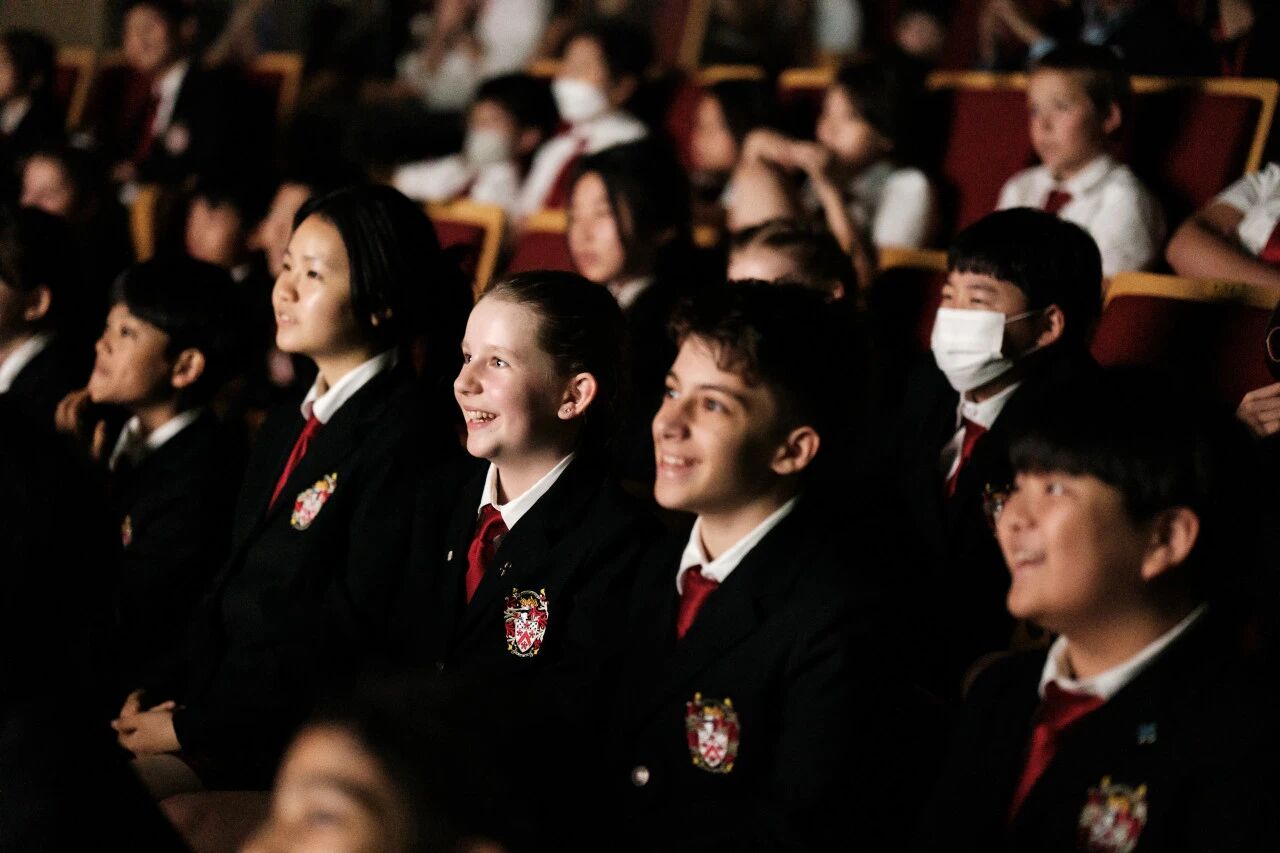
Lesley: 'Our schools are far more than just "exam factories", where we only prepare students for exams, whilst ignoring life skills.
I heard a CEO of a tech company say in an interview that he gets applications from the top graduates from the world's best universities, but they are "not really people that you want to work with", he said. That made me think deeply about what we should be preparing young people for.
It goes back to what I said earlier about the purpose of a school. Yes, exam results do still matter, because they're still the measure by which you can open the door to the next stage, if you're going that traditional route. So I do think we must still focus on academic excellence and on great exam results. But I think it's shifting.
We will increasingly see young people entering the workforce who understand what it means to work in a team, to work collaboratively, to have empathy with their colleagues, to be interested in the world and passionate about things.
I go around all of our EiM schools on a regular basis. I see our young people debating, they're playing music, performing in dramas, interacting with the local community by making books for elderly people. Some of them are out there saving the planet because they're so worried about climate change and sustainability. They're becoming global citizens.
To "Live Worldwise" as we say. We give the wisdom which will make you a lifelong learner, who understands the rapidity of change and has the resilience and strength to adapt to that. Someone who can be comfortable with change and perhaps with a bit of chaos.
Academic results will definitely still be very important. They have not been replaced yet. That is why we focus on them and we're good at it in our group. I think we're producing extraordinary adults and good people, because that's what we actually need in the world: good people who care enough to solve our complex problems.'
Stay tuned for the final episode in this Thought Leadership Series with Lesley Meyer, where we'll be zooming in on what matters most to families: well-being, resilience and the long game of learning.
Questions like:
- How can parents and schools become better partners?
- How can parents know their school is truly preparing their child for the future?
- How to feel comfortable with your child failing and taking some risks?
Join us to learn more about how our schools are helping shape the future.