
How We Are Building Our Sustainable Alumni Network
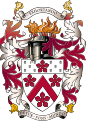
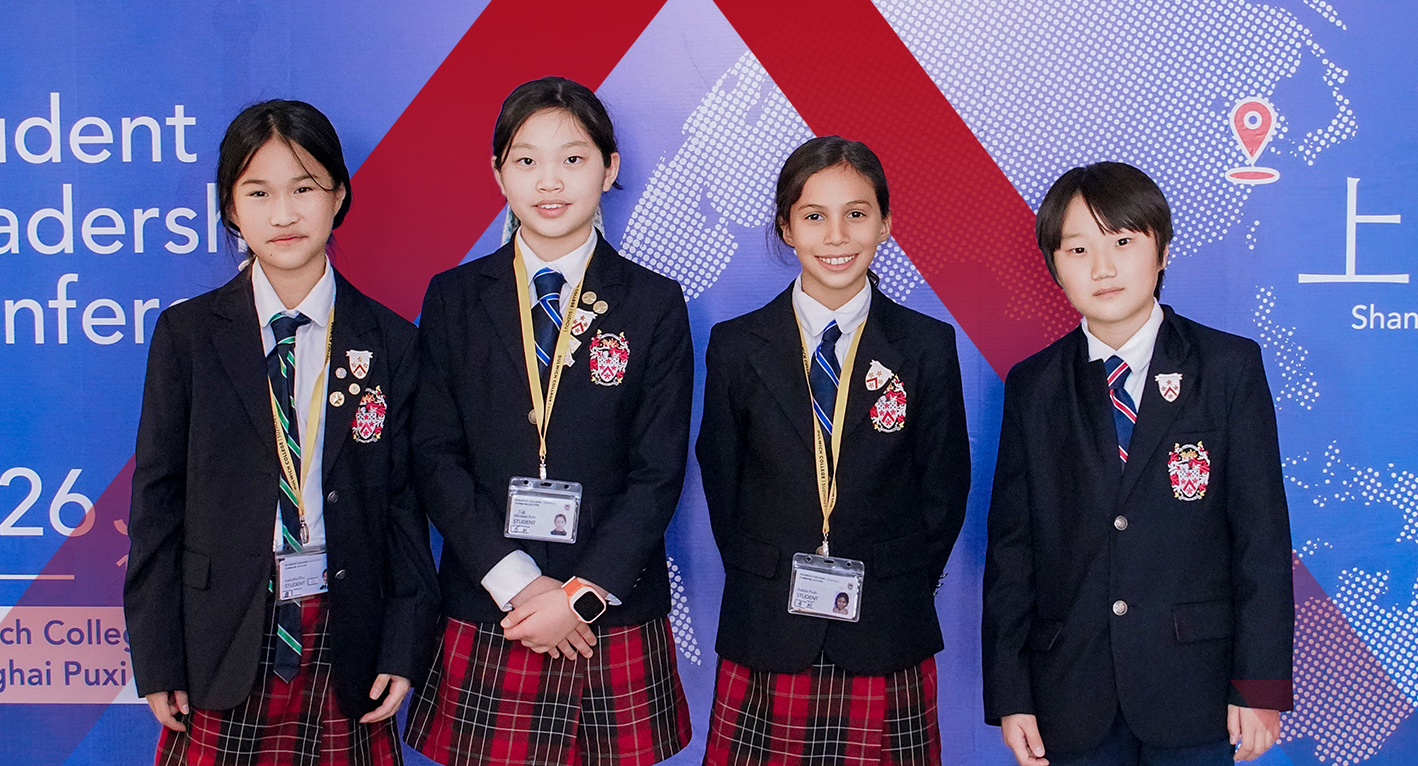

In mid-January 2026, nine alumni leaders from across the Worldwise Alumni Network (WAN) gathered in Dulwich College Shanghai Puxi for the annual Worldwise Alumni Advisory Board (WAAB) Conference. Over two days of workshops and conversations, the group took time out of their personal schedule and voluntarily travelled from all over the world to meet for the Conference. Everyone came together with a clear purpose: to strengthen WAAB's role in supporting alumni, students and schools across the network.
This conference was not simply about planning events. Instead, it focused on how the network can better support lasting relationships, meaningful mentoring and real opportunities for connection. WAAB leaders discussed a shared vision to move beyond occasional gatherings toward purposeful, sustained engagement, building an alumni network that supports students well beyond graduation and meaningfully reaches those who stand to benefit most.
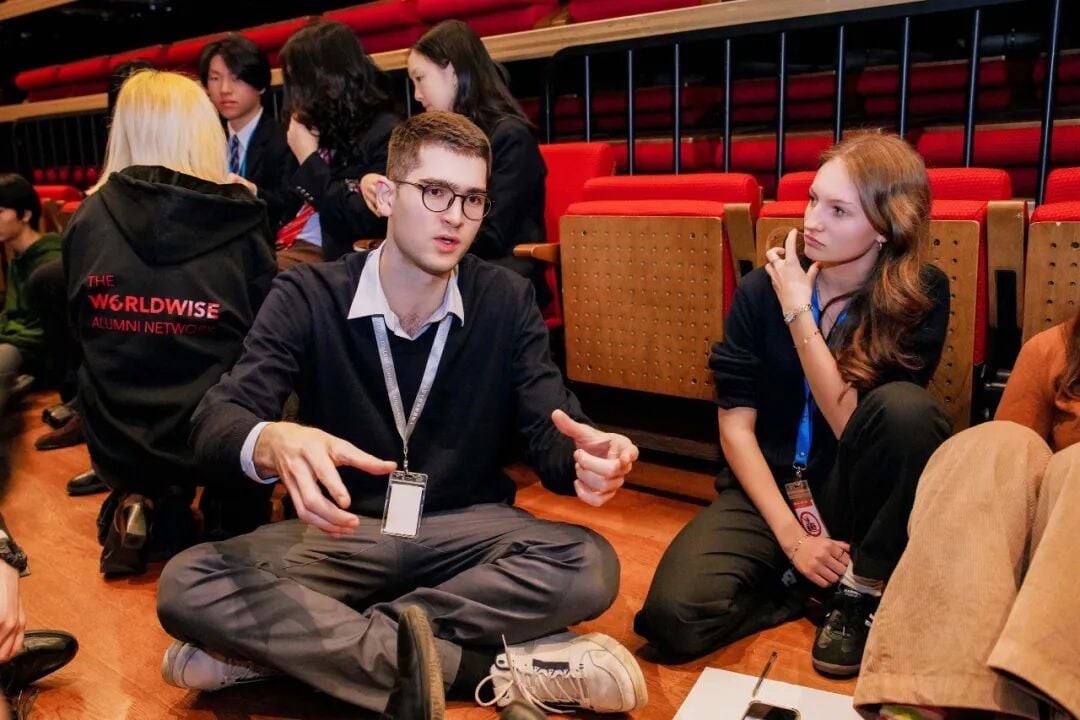
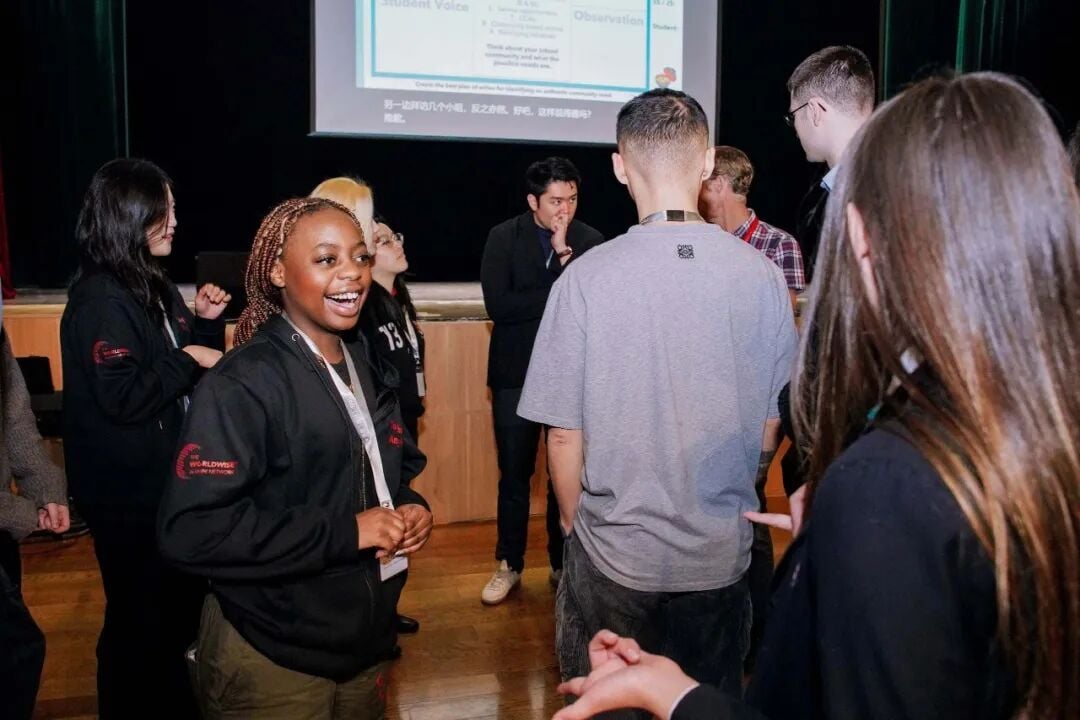
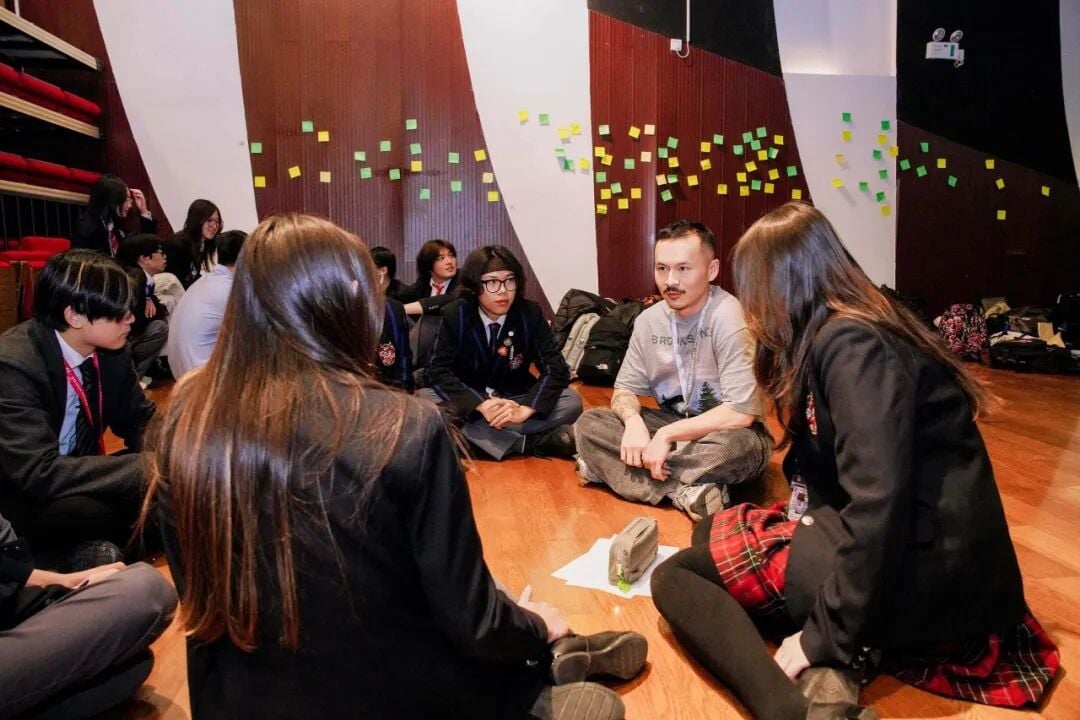
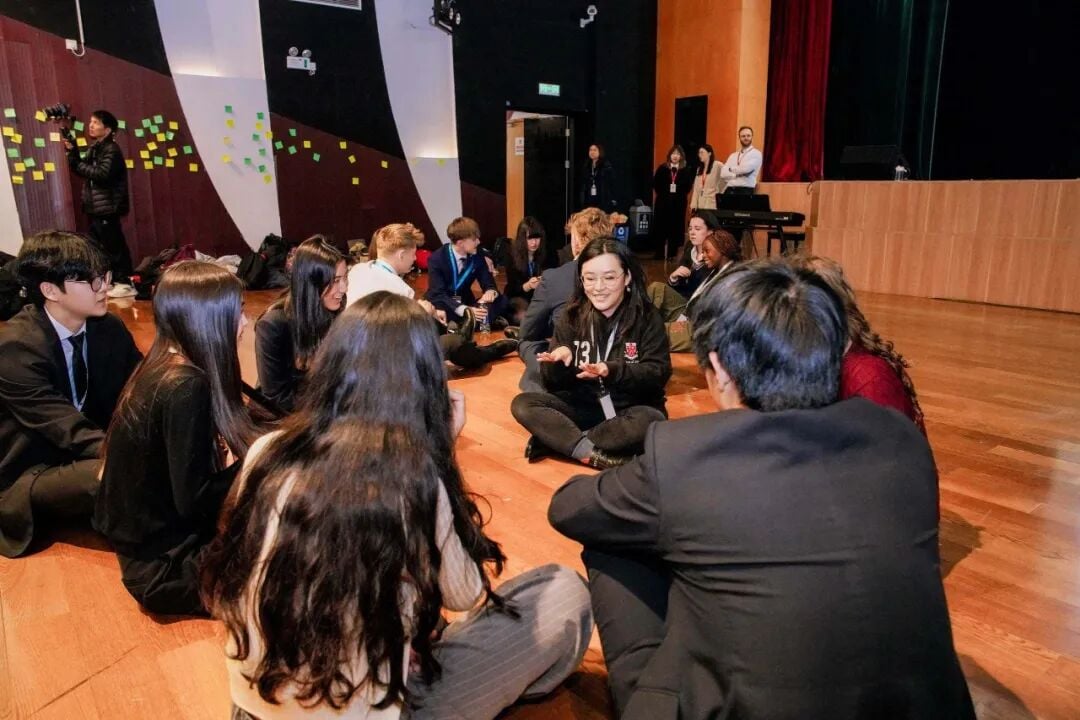
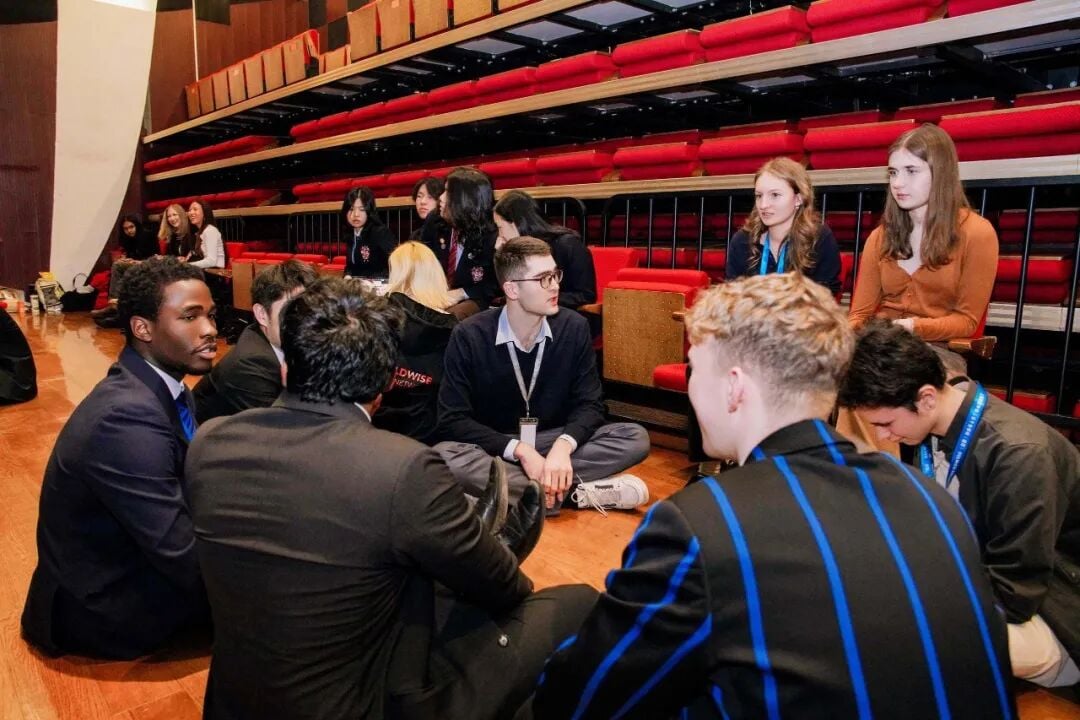
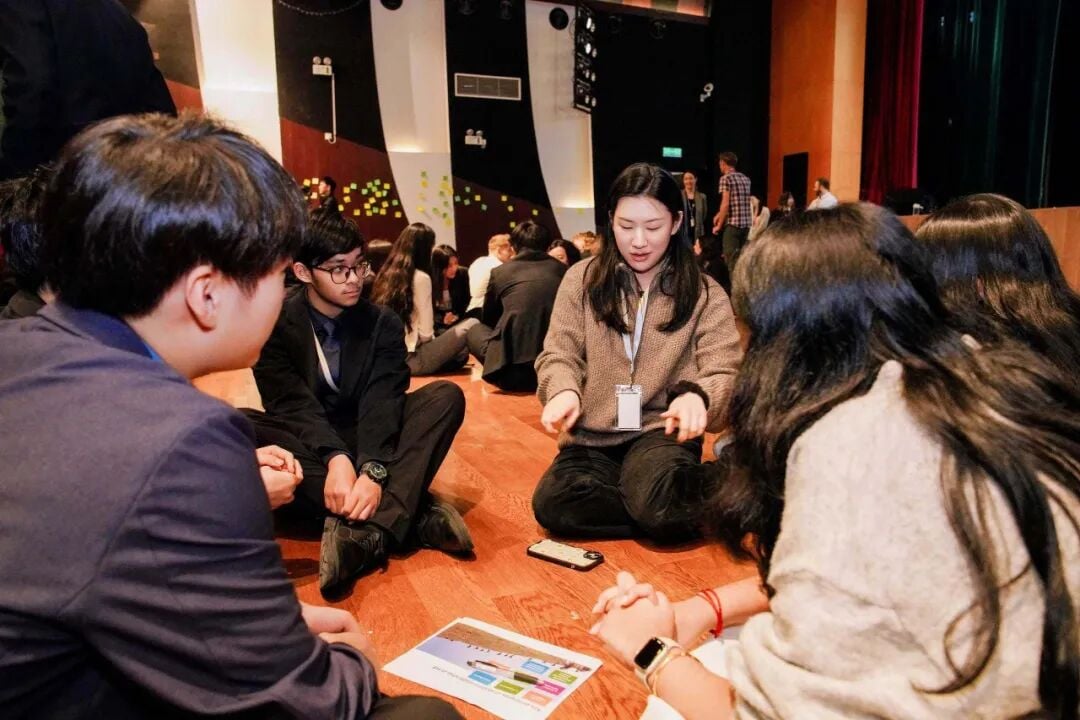
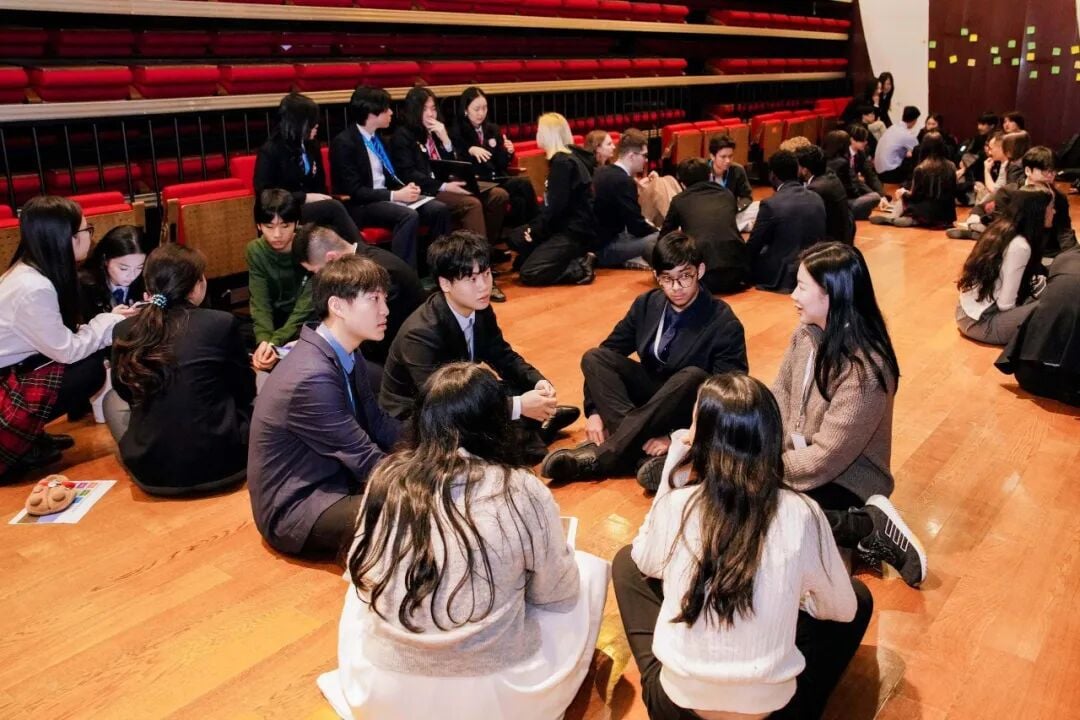
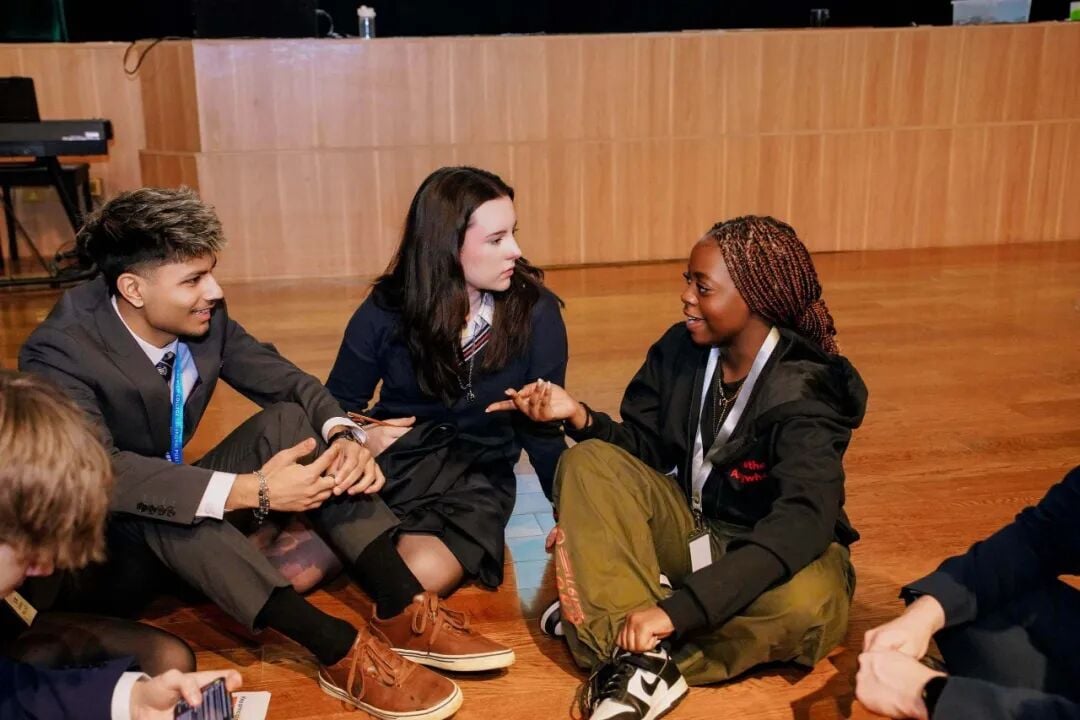
The conference began with structured reflection. WAAB members reviewed the past year through a 'Year in Review' workshop and a network health check, using these tools to identify where the network has grown strongest and where momentum can be further accelerated.
For many, the most meaningful developments in 2025 were not simply the number of events hosted, but the depth of connections that began to form between alumni, schools and students.
Alice Oh (Dulwich College Suzhou, Class of 2017) highlighted the growing strength of institutional ties, particularly through Dulwich College Suzhou, where alumni contributions were transformed into tangible resources for current students. She also noted the success of sourcing alumni to advise students on critical, niche topics such as university admissions and navigating Korean military service. For her, the most rewarding part was seeing alumni involvement become a meaningful extension of school life.
Across regions, leaders also saw progress in expanding the network's footprint. Grace Chan (Dulwich College Beijing, Class of 2013), in her first year as USA Regional Lead, described the year as a period of establishing foundations—hosting five events across New York City, San Francisco and Los Angeles, and appointing two city region leaders, William and Stanley, in San Francisco. She also noted that WAN members attended three separate events hosted by Dulwich London's OA Network, demonstrating how the network is becoming increasingly interconnected across the wider EiM family.
When alumni support students in specific, practical ways, it shows the network is truly making a difference.
Alice Oh
Dulwich College Suzhou, Class of 2017
Sherfield School:
A Model for Sister Schools
A key milestone in 2025 was the official launch of the Sherfield Alumni Network (Old Liddellians), demonstrating how the Worldwise Alumni Network can support schools at different stages of alumni development. The event marked Sherfield’s first alumni gathering at The Wellington Arms, bringing former students back together and reconnecting them with the school. Around 25 alumni and five staff attended, generating renewed enthusiasm and laying strong foundations for future engagement within the wider WAN network.
Jennifer Mucheuki (Sherfield School, Class of 2025), who served as a student leader as part of Sherfield’s Student Leadership Council last year, played a central role in this development with support from WAN structures and guidance. Through this collaboration, Sherfield successfully established its alumni network and Jennifer has since joined WAAB. The launch illustrates how WAN’s framework enables schools to activate alumni engagement effectively, offering a clear and replicable model for other schools across the DCI family.
The most significant shift in tone at the conference was the move away from an event-led model. Participants agreed that the network's future lies in building sustained relationships across regions and generations. This became the conference's guiding principle, described by WAAB members as the network's 'North Star'.
Alexandre Blanchard (Dulwich College Seoul, Class of 2018) explained that the conference helped bring clarity to the network's direction for the year. He noted that the idea of a 'Connected Community' emerged as a clear guiding principle, shaping how plans were developed and priorities set. Rather than treating it as a slogan, the focus was on using it as a practical lens for decision-making, informing the design of more consistent, recognisable alumni programming.
He also described a deliberate shift away from isolated, one-off gatherings towards building a more reliable and recognisable system of engagement. 'When alumni attend events and start to recognise familiar faces, when they feel there is a structure behind the network rather than just random meet-ups, that is when the real change happens,' he said.
We want to create a feeling of belonging—something that lasts beyond a single evening or a single city.
Alexandre Blanchard
Dulwich College Seoul, Class of 2018
Addressing the Awareness Gap
WAAB members identified a clear opportunity to strengthen early engagement with students, particularly through closer alignment with Student Leadership groups. Conversations with current Student Leaders highlighted how impactful alumni involvement can be when introduced earlier in a student's journey.
Alexandre described his conversations with Year 13 Student Leaders as a wake-up call. 'Many didn't know what WAN stands for or how to connect after they graduate,' he said. 'That insight is now shaping how we introduce alumni pathways earlier and more clearly.'
Jennifer also noted that earlier engagement could transform the network's long-term sustainability. She highlighted the value of building familiarity and excitement before graduation, so students already feel informed, confident and motivated to stay connected.
Operational Maturity and Measurable Growth
Governance and operational systems were also reviewed. WAAB members discussed leadership selection, retention and succession planning, as well as how to standardise programmes while allowing for regional differences.
Alice explained that WAAB is shifting toward a more structured model with defined internal roles and measurable targets. 'We have agreed on concrete numeric goals for our alumni database,' she said. 'This gives us a clear, data-driven target to track our success in reconnecting with the wider network.'
Grace added that the strategy includes empowering local leaders to build programming based on their strengths and the needs of their region. 'That will allow programming to be more consistent, while still being locally relevant,' she said.
A student helped by a mentor today is 10x more likely to become a mentor themselves in 10 years.
Alice Oh
Dulwich College Suzhou, Class of 2017
Looking Ahead
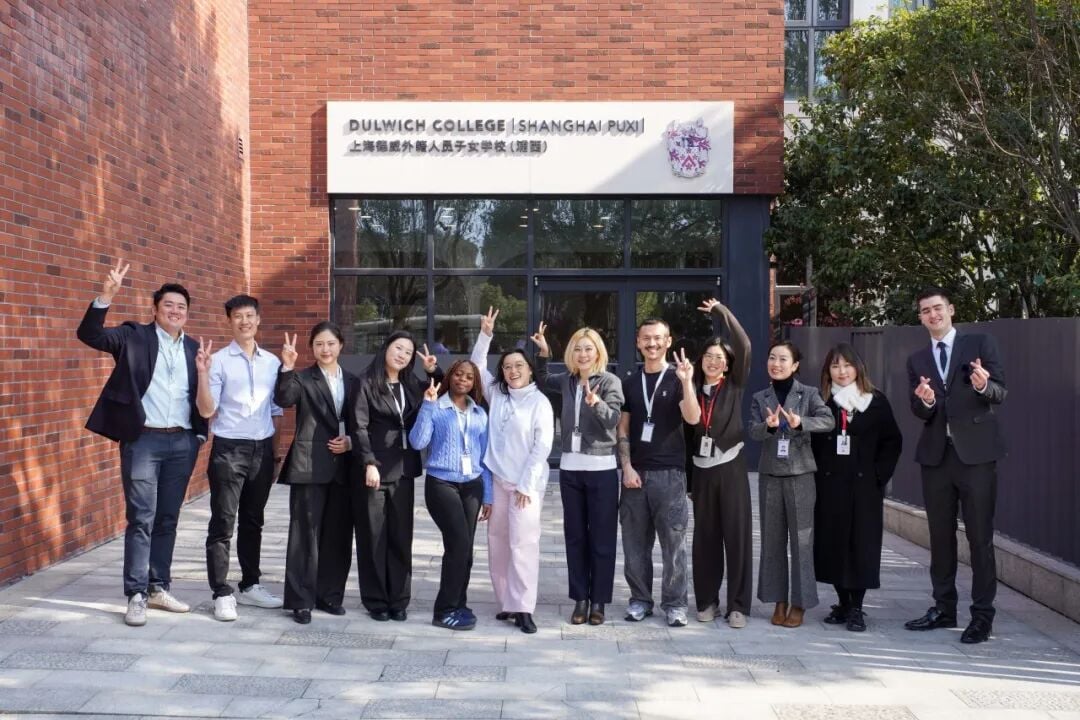
As the conference closed, WAAB members expressed a shared belief in the network's long-term potential. The vision is not simply a series of events, but a sustainable system where alumni support students and students eventually become alumni leaders themselves.
The conference set a clear direction for 2026: deepen relationships, strengthen leadership systems and scale effective programming across regions. For WAAB members, the biggest opportunity ahead is to translate growing awareness into long-term engagement, building a network that is not only larger, but more meaningful.
The 2026 WAAB Conference reaffirmed that the Worldwise Alumni Network is evolving into a strategic and sustainable global ecosystem—one where alumni leadership, governance and connection are built to last.