

Thought Leadership Jessica Shan: Human-Centred Mandarin Learning


Mandarin education is evolving in response to a rapidly changing global landscape shaped by technological advancement, increased mobility and growing cultural complexity. In this context, language learning is no longer defined solely by technical proficiency or examination outcomes, but by its capacity to cultivate judgement, empathy and intercultural understanding.
In this thought leadership interview, Jessica Shan, Group Director of Chinese Curriculum at Education in Motion, reflects on how Mandarin education must respond to these shifts. She shares her perspective on the changing role of Mandarin in international education and outlines a human-centred philosophy that positions language as a powerful medium for intellectual development, identity formation and meaningful engagement with the world.

Jessica Shan is the Director of Chinese Curriculum at Education in Motion, providing strategic leadership for the design, alignment and continuous improvement of Mandarin education and Chinese-medium learning across the Group's diverse family of schools.
With over 20 years of experience in education, Jessica brings a blend of policy, academic and school-based expertise. She holds degrees in Psychology and Chinese Studies from the National University of Singapore, a Postgraduate Diploma in Education (Secondary) and a leadership certificate from Harvard University. Her professional experience spans public education in Singapore, higher education in Taiwan and curriculum leadership and consultancy roles in top-tier international schools in Asia. Across these contexts, she has led large-scale curriculum alignment initiatives, advised on programme development and driven cross-campus professional learning and regional conferences, empowering educators and supporting schools to deliver Mandarin programmes that are academically rigorous, culturally authentic and locally meaningful.
The Changing Landscape of Mandarin Education
What is the shared vision for Mandarin learning across Dulwich College International, Dehong and the wider EiM group?
'Our shared vision across the EiM family of schools is to position Mandarin not simply as a subject of study, but as an essential dimension of a student's intellectual and intercultural development.
This vision aligns closely with our aspiration to help students Live Worldwise. That ambition requires more than academic achievement. It calls for perspective, discernment, empathy and the ability to move responsibly across cultures. In that sense, Mandarin education plays a vital role in cultivating these capacities.
In practice, we are committed to building a coherent, vertically aligned Mandarin journey from Early Years through Senior School, with clear progression in linguistic competence, cultural understanding and academic sophistication. Whether students are learning Mandarin as a foreign language, developing as bilingual learners or refining native-level proficiency, our goal remains consistent: to nurture confident, thoughtful communicators who can navigate across cultures with agility and integrity.
Taken together, Mandarin in our schools carries both academic ambition and human connection. It connects students to a civilisation of remarkable historical depth while equipping them to participate in contemporary global dialogue, forming an essential foundation for living Worldwise.'
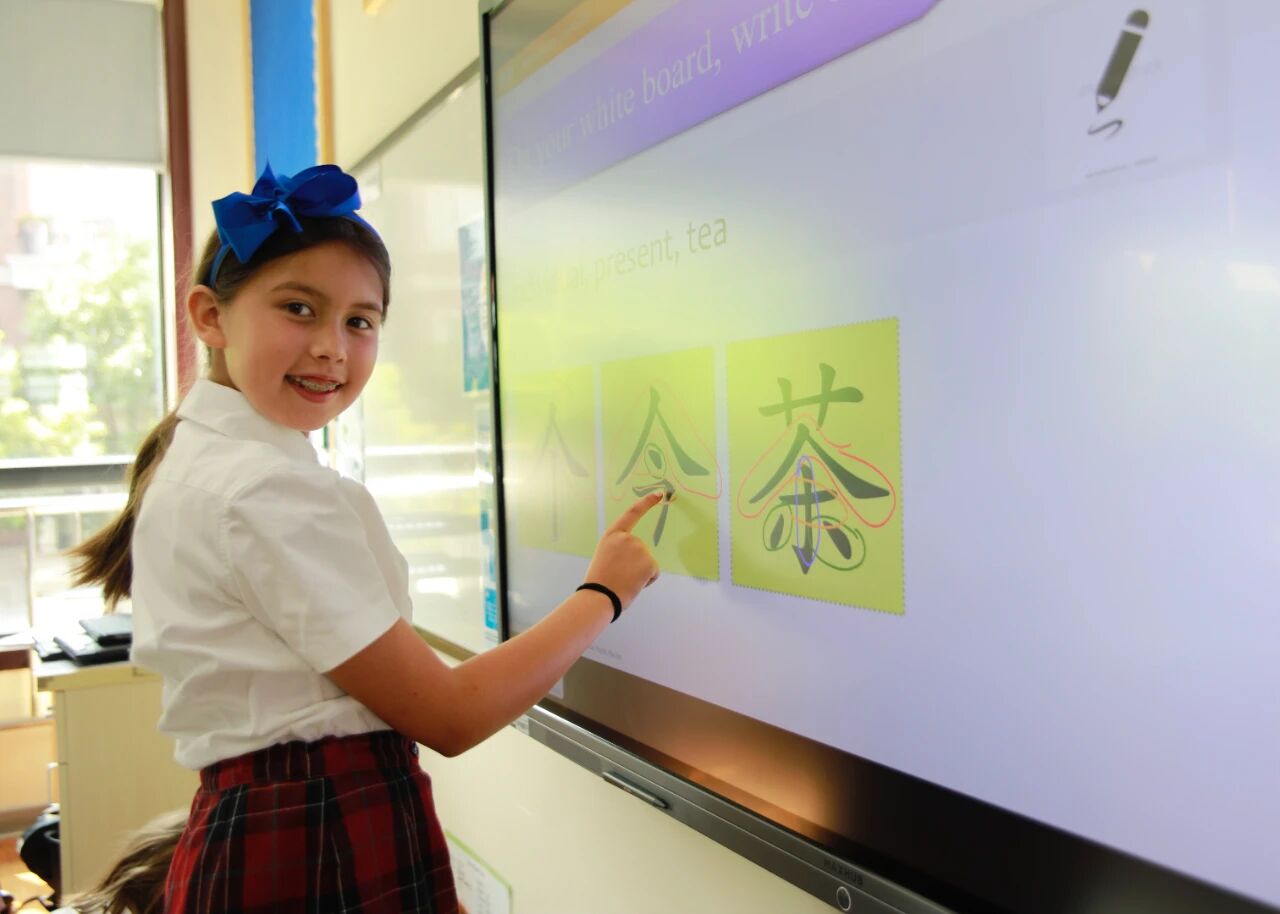
How has the role of Mandarin education changed over the past decade in international school contexts?
'Over the past decade, Mandarin has evolved from being perceived as a strategic advantage to being recognised as part of global literacy.
International schools now serve increasingly diverse linguistic profiles—heritage speakers, bilingual students and foreign language learners within the same ecosystem. Alongside this diversity, there is greater expectation for curricular coherence, clear academic pathways and meaningful real-world application.
As a result, Mandarin education today must balance academic excellence with authentic engagement and cultural fluency. It is no longer simply about examination performance; it is about preparing students to think, converse and contribute to a multilingual world using Mandarin with confidence and cultural sensitivity.'
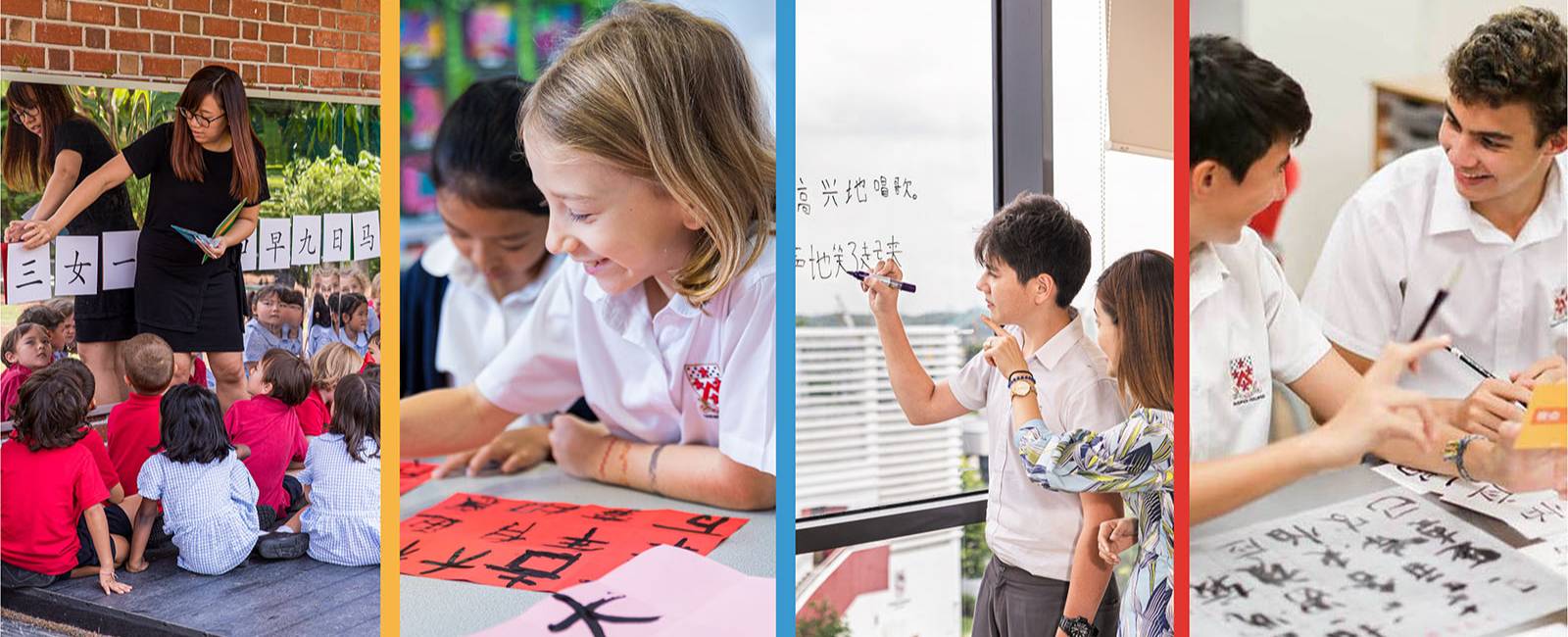
How do AI, increased global mobility and cultural complexity make this a critical moment for rethinking how Mandarin is taught?
'We are educating students in an era defined by acceleration and complexity. AI can now translate instantly. Students grow up navigating multiple cultural contexts. Identities are increasingly layered rather than singular.
In this landscape, language education must move beyond technical accuracy alone. What AI cannot replicate is cultural judgement, empathy, ethical reasoning and the ability to interpret nuance. These are deeply human capacities, and they lie at the heart of what it means to Live Worldwise.
At the same time, research in cognitive science tells us that multilingualism enhances executive function, mental flexibility and the brain's ability to navigate ambiguity. Language learning quite literally shapes how the brain organises meaning and regulates attention. In a complex world, these capacities are indispensable.
If we want students to Live Worldwise, they must be able not only to communicate across languages, but to interpret cultural contexts, engage with differences thoughtfully and exercise judgement with maturity. Mandarin education provides a powerful arena for developing these qualities.'
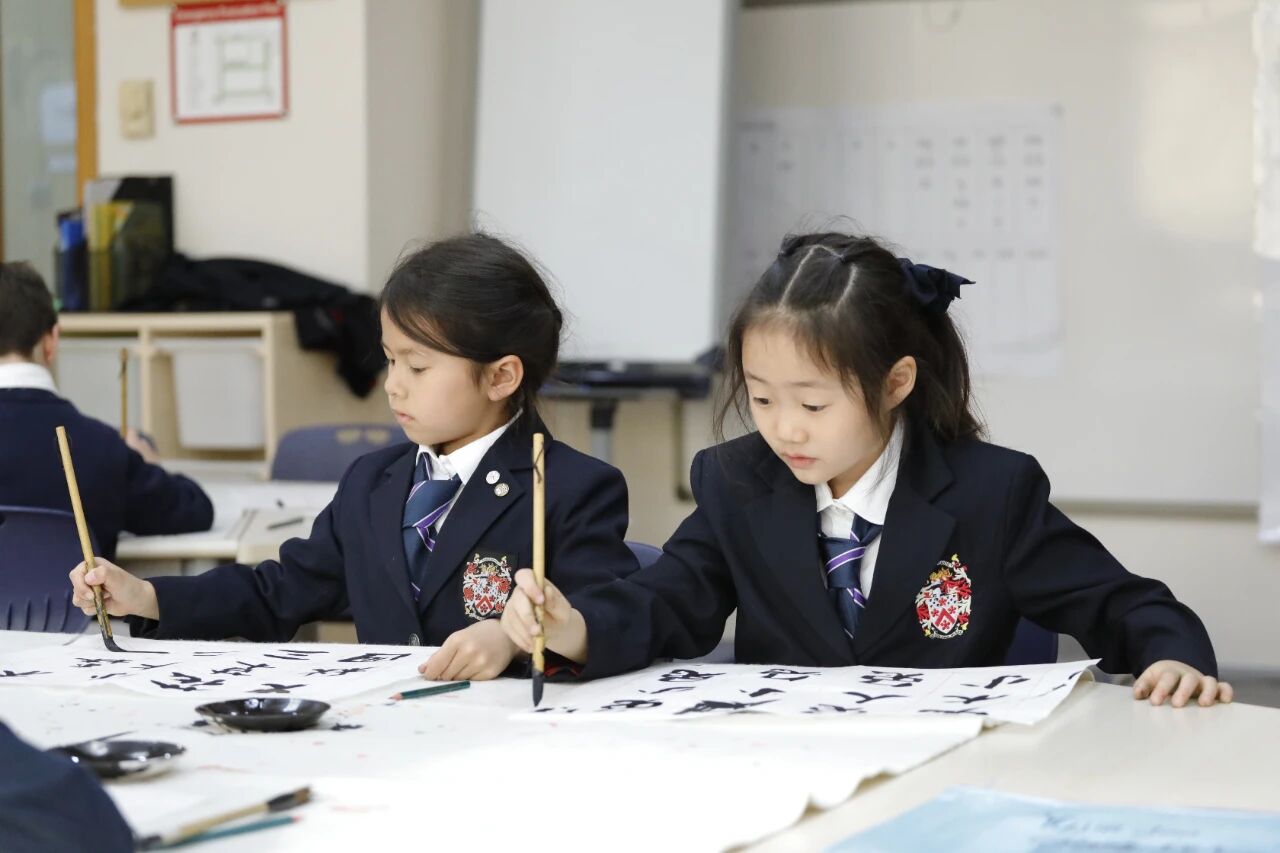
Meaningful, Human-Centred Mandarin Learning
'Meaningful Language Learning in Motion'. What does 'Meaningful Language Learning in Motion' look like in practice for students learning Mandarin across Dulwich College International Schools?
'The approach of "Meaningful Language Learning in Motion" or "In Motion" reflects our conviction that language education should be purposeful, dynamic and deeply human. Meaningful learning occurs when Mandarin connects with inquiry, identity, contemporary issues and lived experiences.
Neuroscience shows that when learning is emotionally and intellectually relevant, neural pathways consolidate more deeply. When students use Mandarin to express ideas that matter to them, the learning endures.
Our "In Motion" approach reminds us that language is active and developmental. Students debate contemporary issues, conduct research, present arguments, engage in dialogue and create original work in Mandarin. They are not passive recipients of language; they are active constructors of meaning.
Through this approach, Mandarin is positioned as a living medium for thinking, not as an isolated subject nor merely as a system to be mastered. It enables students to develop intellectual and relational capacities that underpin a Worldwise education.'
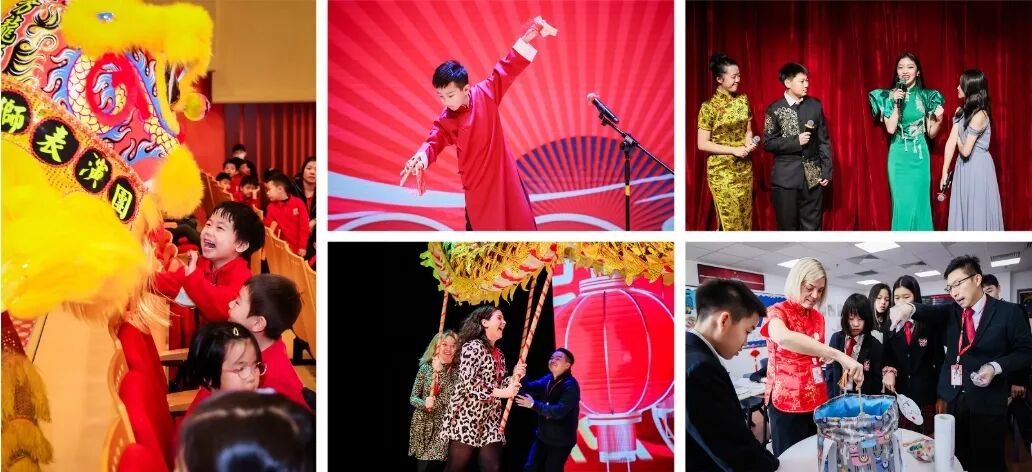
How does this approach go beyond traditional outcomes like character recognition or exam performance?
'Foundational literacy and examination success remain important, and our students perform strongly in both. However, these are milestones along the journey, not the destination.
Language learning shapes cognitive architecture. It refines attention control, deepens memory systems and cultivates cognitive agility. Mandarin, with its tonal distinctions and character-based writing system, engages auditory discrimination, visual-spatial reasoning and analytical pattern recognition all at once.
Ultimately, our aim is for students to think, analyse, articulate complex ideas and engage in sophisticated discourse in Mandarin. When intellectual engagement is authentic and sustained, academic success follows naturally.'
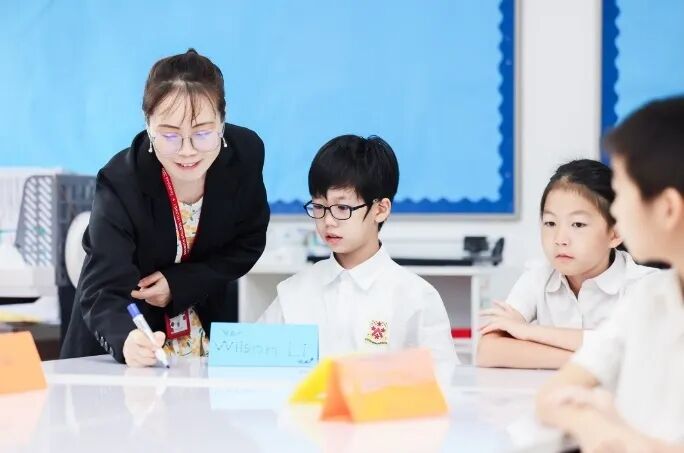
In what ways can learning Mandarin support identity, empathy and a deeper understanding of Chinese culture, especially for students from diverse international backgrounds?
'Language opens access to a broader worldview. Through Mandarin, students encounter deep philosophical traditions, literary expression, different social norms and contemporary discourses. They learn to interpret not just words, but cultural assumptions and social context. In doing so, they begin to recognise how meaning is culturally situated. This awareness nurtures humility and perspective-taking, a skill closely associated with bilingual cognitive development.
For international students, Mandarin reduces cultural distance and invites genuine participation in local contexts. For heritage and bilingual students, it affirms identity and fosters cultural continuity.
From a neurological and psychological perspective, language expands narrative capacity. It gives students additional lenses through which to understand themselves and others, cultivating empathy and intercultural maturity.'
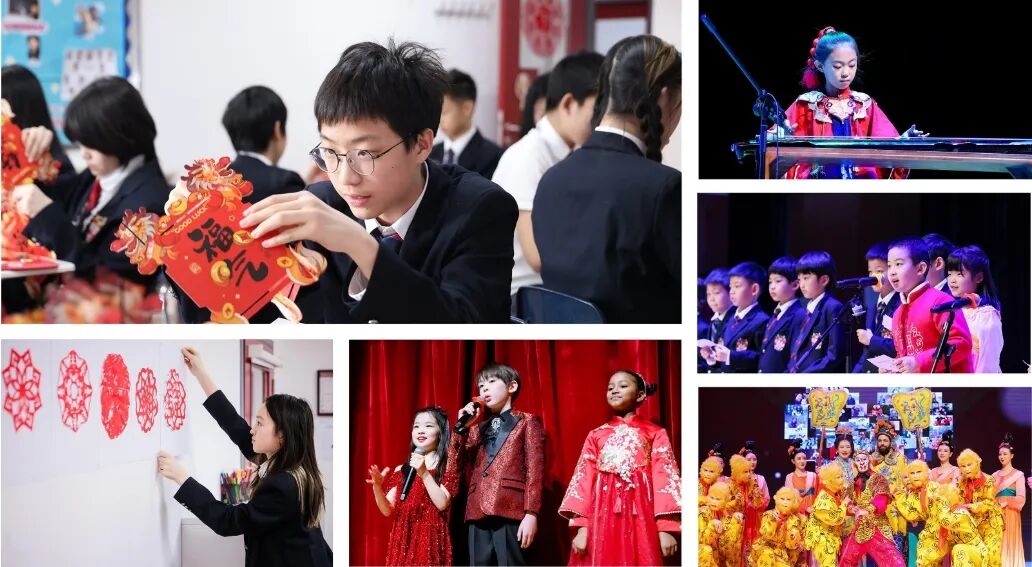
What aspects of Mandarin learning remain uniquely human and cannot be replaced by AI?
'AI can complete tasks with great efficiency, but it cannot cultivate character and wisdom. Human language learning involves intellectual struggle, relational trust and ethical reflection. The cognitive effort required to formulate ideas in another language develops neural networks and deepens understanding. When students bypass that effort, they forfeit the neurological growth that builds executive functions and long-term memory.
For this reason, teachers remain essential and play a crucial role: not as information providers, but as mentors, coaches, designers of rich intellectual experiences and custodians of cultural nuance. The human dimensions of language learning—empathy, identity, values, relationships and cultural understanding—remain irreplaceable.'
Together, these reflections highlight a clear throughline in Jessica Shan's thinking: Mandarin education must be intellectually rigorous, culturally grounded and fundamentally human. In a world shaped by technological change and diverse learner identities, Mandarin is positioned not simply as a subject to be mastered, but as a medium through which students develop ethical judgement, empathy and cognitive agility, shaping how they understand themselves, engage with others and Live Worldwise.
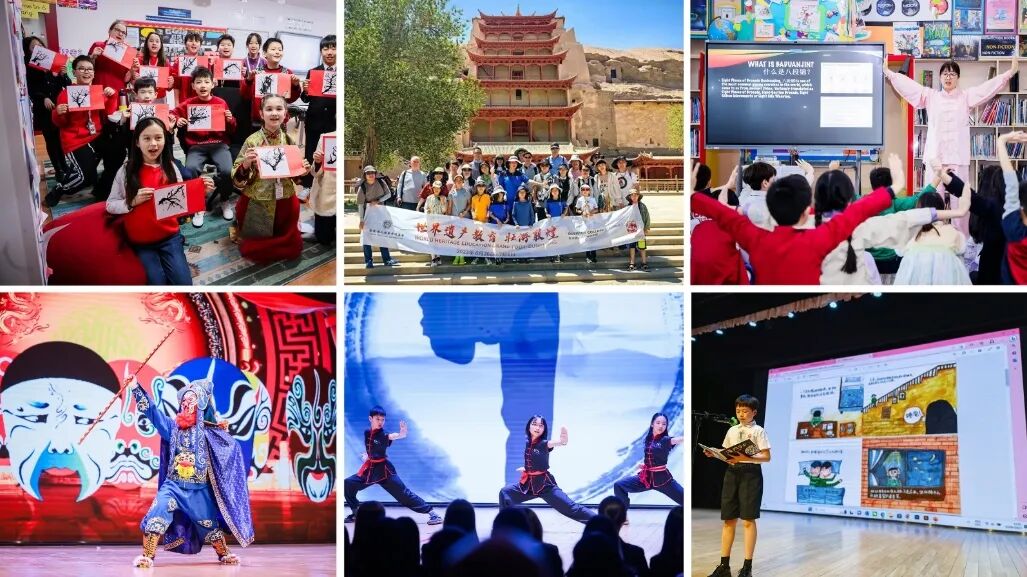
Stay tuned for the second part of this Thought Leadership series, where the conversation shifts from philosophy to practice. Jessica will explore how Mandarin teaching is evolving in the age of AI, how educators collaborate across schools to sustain quality and coherence during our upcoming Mandarin Conference to be held in Duwlich College Shanghai Puxi and Dehong Shanghai International Chinese School and what the future of Mandarin learning will look like within Dulwich College International and the wider Education in Motion group.